
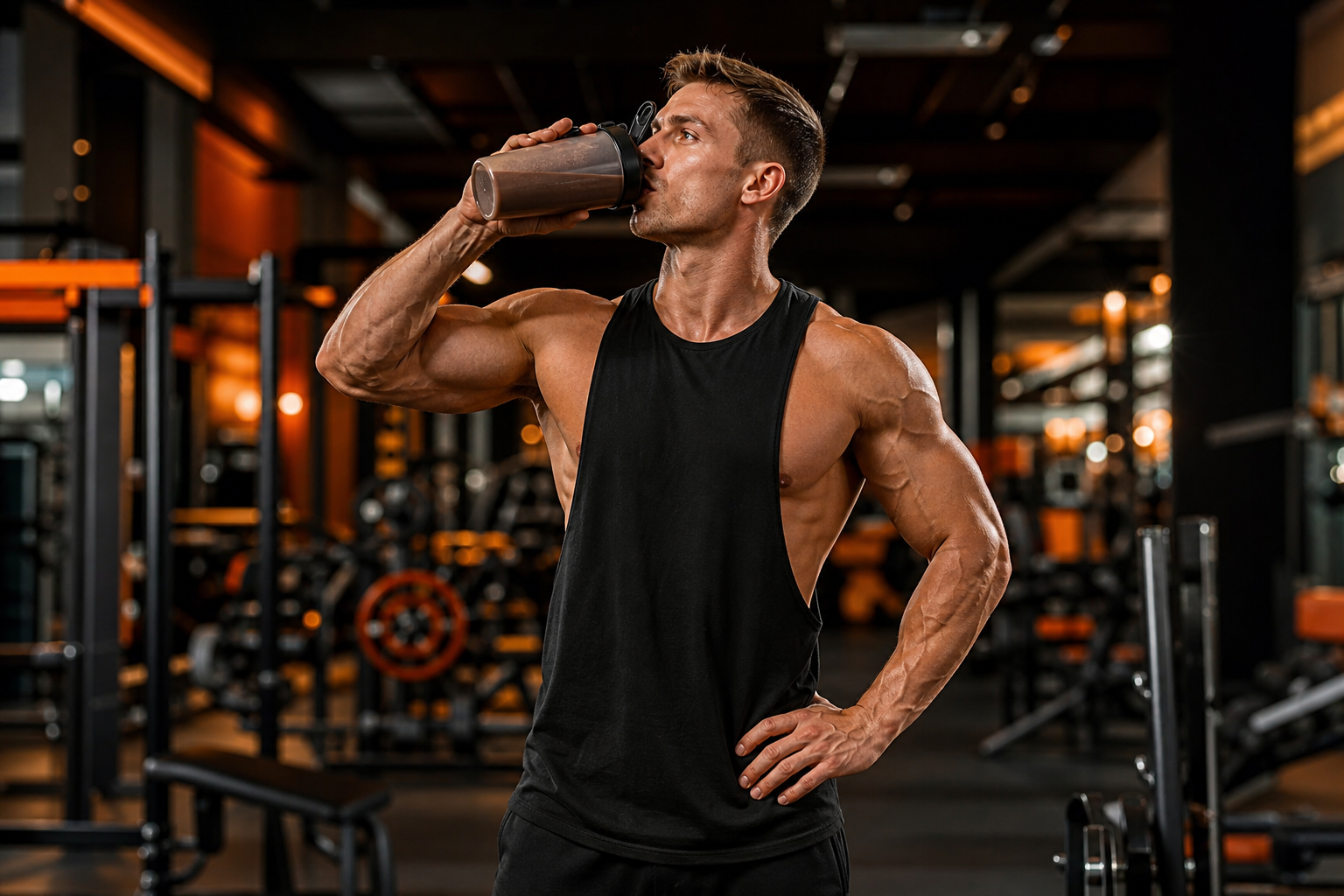
タンパク質摂取:1日どれくらいタンパク質が必要?
タンパク質は筋肉の修復と成長、そして満腹感をサポートします。活動的な成人は体重1kgあたり1.6-2.2gを1日3-4回の食事に分けて摂取するのが理想です。赤身肉、魚、卵、乳製品、豆類などが良質な源です。1日の総摂取量を満たすことが最も重要です。
1日の正確なタンパク質目標量を知りたいですか?こちらで計算: タンパク質摂取量計算機.
タンパク質の重要な理由は何ですか?
タンパク質はトレーニングする人にとって最も重要なマクロ栄養素です。ウェイトを持ち上げる、スプリントをする、腕立て伏せをするたびに、筋繊維に微細な断裂が生じます。タンパク質は体がその断裂を修復するのに使うアミノ酸を提供し——以前より少し強く筋肉を再構築します。この損傷と修復のサイクルこそが、あなたがより強く、大きく、耐久性を高めるメカニズムです。
筋肉以外にも、タンパク質は免疫機能、ホルモン生成、酵素活性をサポートします。2019年にNutrientsに掲載されたレビューによると、タンパク質摂取が不十分だと、総カロリーが十分であっても回復が阻害され、アスリートの怪我リスクが高まります。
初心者を指導した経験から言うと、最も多い間違いはタンパク質が足りないことであり、多すぎることではありません。多くの初心者はトレーニングの強度に注力しながら、筋肉が成長するために必要な原料を軽視しています。
1日に必要なタンパク質の量はどれくらいですか?
適切な量は活動レベルと目標によります。研究が示す数値は以下の通りです:
座りがちな成人(RDA):0.8g/kg/日(0.36g/ポンド)。欠乏予防の最低値——活動的な人には不十分です。
活動的な成人と一般的なトレーニー:1.2-1.6g/kg/日(0.55-0.73g/ポンド)。アメリカスポーツ医学会(ACSM)は定期的に運動する人にこの範囲を推奨しています。
筋肥大:1.6-2.2g/kg/日(0.7-1.0g/ポンド)。Mortonらによる2018年の画期的メタ分析(British Journal of Sports Medicine掲載)は49の研究を分析し、1.62g/kgを超えるタンパク質補給は追加の筋成長をもたらさないことを発見しました。
減脂しながら筋肉を維持:1.8-2.7g/kg/日。カロリー不足時の高タンパク質摂取は除脂肪体重の維持に役立ちます。
簡単な計算例:体重75kgで筋肉をつけたい場合、1日120-165gのタンパク質を目指します(75 × 1.6〜75 × 2.2)。4食に分けると1食あたり約30-40gです。
筋肥大に最適なタンパク質源は何ですか?
すべてのタンパク質が同じではありません。体は一部の来源をはるかに効率的に吸収・利用します。重要な指標はロイシン含有量——ロイシンは筋タンパク質合成を引き起こすアミノ酸で、最大化には1食あたり約2.5-3gが必要です。
動物性タンパク質(完全なアミノ酸プロファイル、ロイシンが豊富):
- 鶏むね肉 — 100gあたり31gタンパク質、ロイシン豊富
- 赤身の牛肉 — 100gあたり26g、鉄分とB12も提供
- 卵 — 1個あたり6g、タンパク質品質のゴールドスタンダード
- ギリシャヨーグルト — 100gあたり10g、手軽で消化しやすい
- 魚(サーモン、ツナ)— 100gあたり20-25g、オメガ3も
植物性タンパク質(組み合わせて完全なアミノ酸に):
- 豆腐とテンペ — 100gあたり12-19g、大豆は唯一の完全な植物性タンパク質
- レンズ豆 — 100gあたり9g(調理済み)、食物繊維が豊富
- ひよこ豆 — 100gあたり8g(調理済み)、料理に使いやすい
- キヌア — 100gあたり4g(調理済み)、必須アミノ酸をすべて含む
| 食品 | タンパク質/100g | ロイシン | タイプ |
|---|---|---|---|
| 鶏むね肉 | 31g | 高い | 動物性 |
| 赤身牛肉 | 26g | 高い | 動物性 |
| 豆腐(堅) | 12g | 中程度 | 植物性 |
| レンズ豆(調理済み) | 9g | 中程度 | 植物性 |
| ギリシャヨーグルト | 10g | 高い | 乳製品 |
タンパク質の摂取タイミングはいつが良いですか?
「アナボリックウィンドウ」——トレーニング後30分以内にタンパク質を摂取しなければならないという考え——は大幅に否定されています。2017年のJournal of the International Society of Sports Nutritionのレビューでは、1日の総タンパク質摂取量が正確なタイミングよりはるかに重要であることが示されました。
とはいえ、1日の分布は差を生みます。SchoenfeldとAragon(2018)の研究は、タンパク質を3-5食に分け、各食20-40gとすることが、1-2回の大量の食事に集中するよりも筋タンパク質合成を最大化することを示唆しています。
トレーニング前:トレーニング1-2時間前に20-30gのタンパク質を摂取。運動中にアミノ酸が利用可能になります。
トレーニング後:1-2時間以内で十分。トレーニング2-3時間前にタンパク質豊富な食事をとっていれば、すでにカバーされています。
就寝前:カゼイン豊富な食品(カッテージチーズやギリシャヨーグルト)は夜間ゆっくり放出されるアミノ酸を提供し、睡眠中の筋分解を軽減する可能性があります。
朝食:多くの人が朝食のタンパク質を飛ばします——これは間違いです。一晩の断食後、20-30gで筋タンパク質合成を再開できます。
重要なポイントは何ですか?
| ポイント | 推奨 |
|---|---|
| 座りがちな最低値 | 0.8g/kg/日(RDA) |
| 活動的な成人 | 1.2-1.6g/kg/日 |
| 筋肥大 | 1.6-2.2g/kg/日 |
| 1食あたり | 20-40g、3-5食に分散 |
| タイミング | 1日の総摂取量が正確なタイミングより重要 |
よくある間違い:
- 「RDAだから」0.8g/kgしか食べない——それは最低値で目標ではない
- すべてのタンパク質を夕食に集中させ、食事間で分散させない
- 植物性タンパク質を無視——組み合わせれば機能する
- 食事を改善する前に高価なサプリメントを追い求める
次のステップ:タンパク質目標を計算し(体重kg × 1.6-2.2g)、3-4食のタンパク質豊富な食事を計画し、1週間トラッキングを開始。栄養がトレーニングをどうサポートするか詳しくは、完全栄養ガイドをご覧ください。
よくある質問
筋肥大に1日どれくらいタンパク質が必要?
体重1kgあたり1.6-2.2g/日が有効範囲。2022年のメタ分析で2.2g/kg超えは大多数に追加の筋成長がないことが確認されています。
トレーニング後いつタンパク質を摂るのがベスト?
1-2時間以内で十分——「30分アナボリックウィンドウ」は基本的に神話。1日の総摂取量の方が重要。
タンパク質の摂りすぎはある?
健康な成人なら2.5g/kg/日まで安全(ISSN)。余剰分は酸化または排泄——自動的に筋肉や脂肪になるわけではありません。
運動する人に0.8g/kgで足りる?
足りません。0.8g/kgは座りがちな人の欠乏予防の最低値。<a href="https://www.acsm.org/" target="_blank" rel="noopener noreferrer">ACSM</a>は活動的な人に1.2-2.0g/kgを推奨——RDAの約2倍。
最高の植物性タンパク質源は?
大豆製品(豆腐、テンペ)、レンズ豆、ひよこ豆、キヌア。1日を通して豆類と穀物を組み合わせれば必須アミノ酸すべてを摂取できます。
参考文献・情報源
- Morton RW, et al. A systematic review, meta-analysis and meta-regression of the effect of protein supplementation on resistance training gains. Br J Sports Med (2018).
- Schoenfeld BJ, et al. The effect of protein timing on muscle strength and hypertrophy: a meta-analysis. J Int Soc Sports Nutr (2013).