
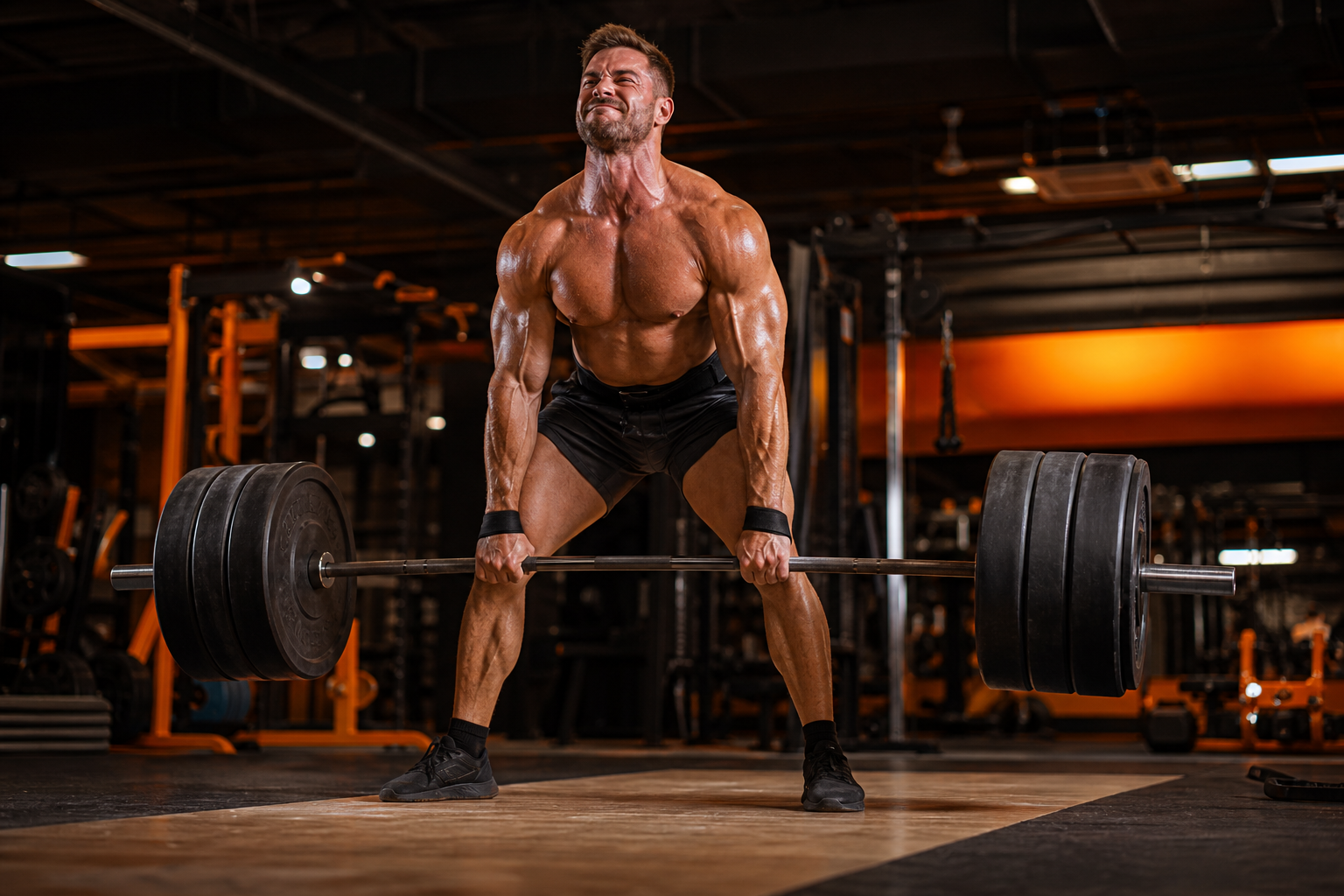
점진적 과부하: 모든 근육 성장을 이끄는 원리
점진적 과부하는 근육이 계속 적응하도록 요구를 점진적으로 높이는 원리예요. 무게를 추가하거나 반복, 세트를 늘리고 기술을 개선하거나 세트 간 휴식을 줄일 수 있어요. 점진적 과부하가 없으면 근력과 근육 증가는 정체돼요. 신체는 이전보다 더 많이 하도록 강요받을 때만 변화해요.
점진적 과부하란 무엇인가?
점진적 과부하는 훈련 중 근육에 가해지는 스트레스를 점진적으로 증가시키는 것입니다. 이는 모든 근력 및 근육 증가의 배후에 있는 유일하게 타협할 수 없는 원칙입니다 — 이것이 없으면 당신의 몸은 적응할 이유가 없습니다.
이 개념은 매일 성장하는 송아지를 어깨에 메고 다니다 황소가 될 때까지 계속했다는 고대 그리스 레슬러 크로톤의 밀론까지 거슬러 올라갑니다. 이 이야기가 사실이든 아니든, 과학은 명확합니다: 2019년 Journal of Strength and Conditioning Research 리뷰에서 확인한 바와 같이, 점진적 과부하 — 훈련 볼륨도, 운동 선택도, 식사 타이밍도 아닌 — 가 근비대의 주요 원동력입니다.
당신의 몸은 적응 기계입니다. 도전에 더 강해지는 것으로 반응하지만, 도전이 계속 증가할 때만 그렇습니다. 달마다 같은 무게로 같은 횟수를 들으면 변화가 없습니다. 그것은 유전 문제가 아닙니다 — 자극 문제입니다.
점진적 과부하의 5가지 방법은 무엇인가?
대부분의 사람들은 점진적 과부하가 무게 추가만을 의미한다고 생각합니다. 실제로는 조작할 수 있는 5가지 변수가 있습니다:
1. 무게 증가: 가장 직접적인 방법. 모든 세트에서 목표 반복수에 도달하면 상체는 1-2.5kg, 하체는 2.5-5kg을 추가합니다.
2. 반복수 증가: 아직 무게를 추가할 수 없다면 같은 무게로 더 많은 반복을 합니다. 같은 부하로 3×8에서 3×10으로 가는 것도 점진적 과부하입니다.
3. 세트수 증가: 벤치프레스에 네 번째 세트를 추가하면 총 훈련 볼륨이 증가합니다. 볼륨이 많을수록 기계적 장력이 커집니다 — 핵심 성장 신호.
4. 휴식 단축: 휴식 시간을 3분에서 2.5분으로 줄이면 같은 무게와 반복수도 더 힘들어집니다. 신중하게 사용하세요 — 대중합 운동의 퍼포먼스를 저하시킬 수 있습니다.
5. 가동범위나 템포 개선: 스쿼트 하단에서 정지, 이크센트릭(내리는) 단계를 3초로 늦추기, 더 깊은 반복 수행 — 모두 바의 무게를 바꾸지 않고 텐션 하 시간을 증가시킵니다.
언제 무게를 늘릴까: 2-for-2 규칙
더 많은 무게를 들 준비가 되었는지 알 수 있는 가장 간단한 방법은 2-for-2 규칙입니다: 2회 연속 훈련에서 마지막 세트의 목표를 2회 초과 달성하면 무게를 늘립니다.
예를 들어, 프로그램이 벤치프레스 3×8을 80kg으로 지정했고, 이번 주에 8·8·10회, 지난주에도 8·8·10회 달성했다면 — 82.5kg으로 올릴 준비가 된 것입니다.
증량 가이드:
| 운동 유형 | 무게 증가 | 비율 |
|---|---|---|
| 상체 고립 운동 | 1-2.5kg | 2.5-5% |
| 상체 복합 운동 | 2.5-5kg | 2.5-5% |
| 하체 복합 운동 | 5-10kg | 5-10% |
핵심은 소폭 증량입니다. 경험상, 무게를 너무 공격적으로 추가하는 리프터는 몇 주 안에 플래토에 도달하지만, 1-2kg씩 진행하는 사람은 몇 달 동안 꾸준한 발전을 이룹니다. 인내가 강도를 이깁니다.
딜로드 주: 언제, 왜 필요한가?
딜로드 주는 훈련 볼륨이나 강도를 40-60% 줄입니다 — 일반적으로 더 가벼운 무게를 사용하거나 세트 수를 줄이거나 둘 다 합니다. 게으름이 아닙니다; 누적 피로가 오버트레이닝으로 변하는 것을 막는 전략적 회복입니다.
미국스포츠의학회는 계획된 회복 단계를 포함한 피리오다이즈드 훈련을 권장합니다. 실제로 대부분의 중급 리프터는 4-6주마다 딜로드가 필요하며, 초보자는 8-10주까지 필요 없는 경우가 많습니다.
딜로드가 필요한 징후:
- 2회 이상 연속 세션에서 근력 저하
- 정상적인 근육통 이상으로 지속되는 관절 통증
- 신체적 피로에도 불구하고 수면 불량
- 동기 저하 — 평소 즐기던 훈련이 두려워짐
- 안정시 심박수 상승 (정상보다 5+ bpm 높음)
딜로드 중에는 같은 운동을 유지하되 무게를 60%로 줄이고 세트를 3-4개에서 2개로 줄입니다. 다음 주에 더 강해져서 돌아올 것입니다.
핵심 요약은 무엇인가?
| 포인트 | 권장사항 |
|---|---|
| 핵심 원리 | 훈련 스트레스를 점진적으로 증가 — 증가 없이는 성장 없음 |
| 5가지 방법 | 무게, 반복수, 세트수, 휴식, 템포/가동범위 |
| 언제 무게 추가 | 2-for-2 규칙: 2회 연속 훈련에서 2회 초과 달성 |
| 증량 폭 | 상체 1-2.5kg, 하체 2.5-5kg씩 |
| 딜로드 | 4-6주마다, 볼륨/강도를 40-60% 감소 |
피해야 할 흔한 실수:
- 준비되기 전에 무게 추가 — 에고 리프팅은 부상과 플래토를 초래
- 무게만 추적하기 — 반복수, 세트수, 템포도 진전으로 카운트
- 딜로드 주를 절대 하지 않기 — 누적 피로가 장기적으로 성과를 갉아먹음
- 운동을 너무 자주 바꾸기 — 점진적 과부하를 추적하려면 일관성이 필요
다음 단계: 컴파운드 운동 하나(벤치프레스, 스쿼트 또는 데드리프트)를 선택하고 이번 달 2-for-2 규칙을 적용하세요. 매 훈련을 기록하세요. 점진적 과부하를 지원하는 회복 전략은 회복 가이드와 단백질 섭취 가이드를 참조하세요.
자주 묻는 질문
무게를 언제 늘려야 할지 어떻게 아나요?
2-for-2 규칙: 2회 연속 훈련에서 목표를 2회 초과 달성하면 상체 2.5-5%, 하체 5-10% 증량. 자세를 희생하며 증량하지 마세요.
딜로드 주란? 필요한가?
볼륨/강도를 40-60% 줄여 회복하는 주. 대부분 4-6주마다 필요. 징후: 지속적 피로, 관절통, 성과 저하.
체중 운동으로 점진적 과부하 가능?
네. 반복수 증가, 템포 느리게, 휴식 단축, 더 어려운 변형, 웨이트 베스트 사용. 원리는 같습니다.
주당 얼마나 무게를 추가해야?
소폭 증량: 상체 1-2.5kg, 하체 2.5-5kg. 최대 10%. 0.5kg 원판으로 연간 26kg 적립.
점진적 과부하 안 하면 어떻게 되나?
체가 적응해 근성장이 멈춤 — 그게 플래토. 과부하 없이는 칼로리만 소모하고 성장을 위한 기계적 장력을 만들지 못합니다.
참고 문헌 및 출처
- American College of Sports Medicine position stand. Progression models in resistance training for healthy adults. Med Sci Sports Exerc (2009).
- Morton RW, et al. A systematic review, meta-analysis and meta-regression of the effect of protein supplementation on resistance training gains. Br J Sports Med (2018).
1RM 계산기 (1회 최대 중량)
여러 번 들 수 있는 무게를 기반으로 1회 최대 중량(1RM), 즉 1번만 들어 올릴 수 있는 최대 무게를 추정해 드려요. 이 계산기는 Epley 및 Brzycki 방정식을 사용하여 평균값을 제공해요.
근력 표준 계산기
다른 리프터들에 비해 당신은 얼마나 강할까요? 체중과 최고 기록을 입력하면 벤치프레스, 스쿼트, 데드리프트, 오버헤드 프레스에서 입문부터 엘리트까지 자신이 어느 수준에 해당하는지 확인할 수 있습니다. 표준은 체중에 맞게 조정되므로 60kg 리프터와 100kg 리프터가 공정하게 평가받습니다.
단백질 섭취량 계산기
체중과 운동 목표를 바탕으로 매일 필요한 단백질 양을 계산해 드려요. 이 계산기는 근육량 증가를 위해 체중 1kg당 1.6~2.2g의 단백질을 섭취하라는 연구 기반 가이드라인을 사용해요.