
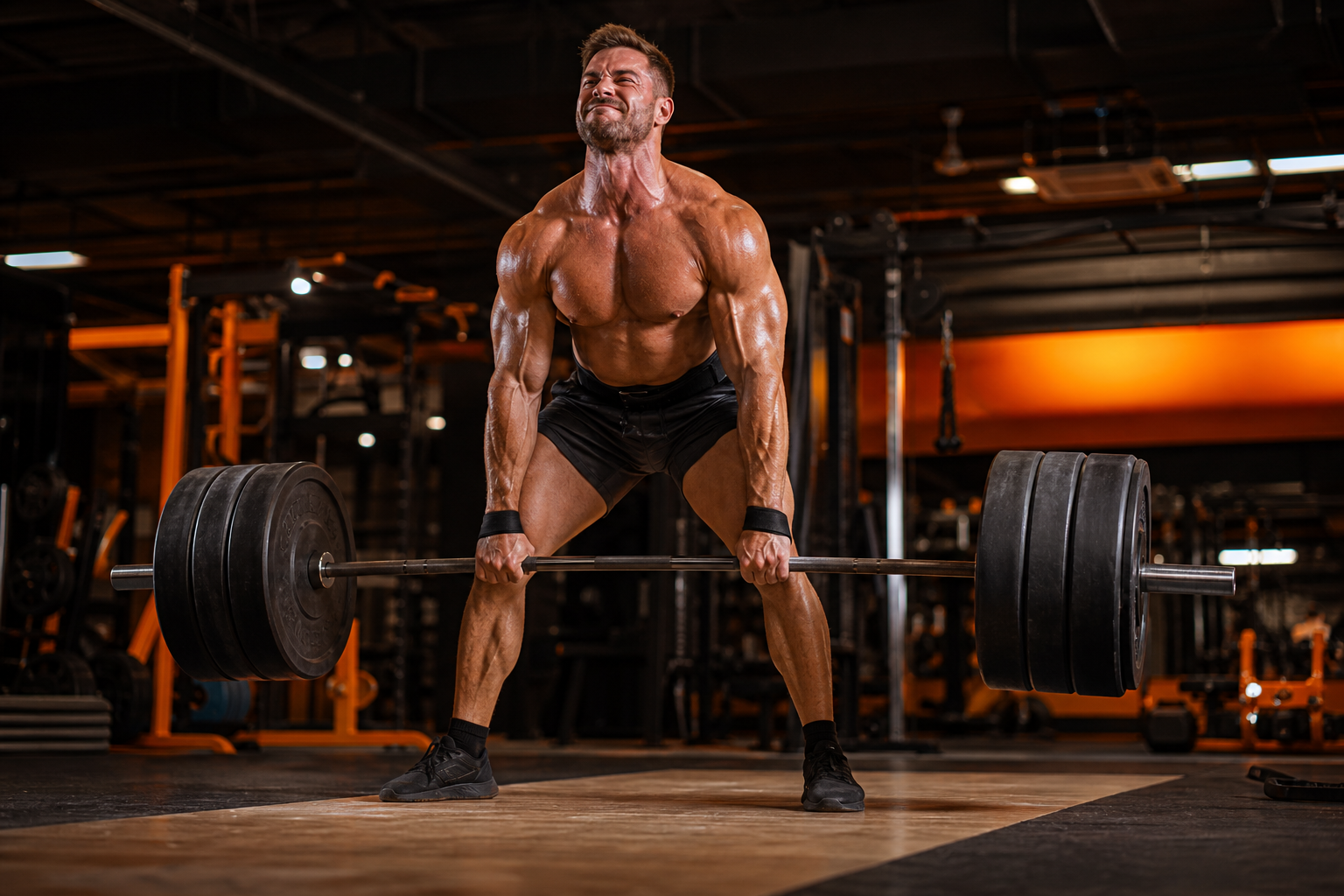
漸進性過負荷:すべての筋成長を促す原理
漸進的過負荷とは、筋肉に常に適応を促すため、負荷を段階的に増やす原則です。重量を増やす、レップ数やセット数を増やす、フォームを改善する、またはセット間の休憩時間を短縮するなどの方法があります。この原則がなければ、筋力と筋肉の成長は頭打ちになります。
漸進性過負荷の正しい方法は?
漸進性過負荷とは、トレーニング中に筋肉にかかるストレスを徐々に増加させることです。これはすべての筋力・筋肉の増加の背後にある唯一の譲れない原則です——これがなければ、体が適応する理由がありません。
この概念は、古代ギリシャのレスラー、クロトンのミロンにまで遡ります。彼は毎日成長する子牛を肩に背負い、それが成牛になるまで続けたと伝えられています。この話が事実かどうかにかかわらず、科学は明確です:2019年の『Journal of Strength and Conditioning Research』のレビューが確認したように、漸進性過負荷——トレーニング量でも、種目選択でも、食事のタイミングでもない——が筋肥大の主な推進力です。
あなたの体は適応マシンです。課題に対してより強くなることで応えますが、その課題が増し続ける場合に限ります。月々同じ重量を同じ回数挙げ続ければ、同じ状態のままです。それは遺伝の問題ではありません——刺激の問題です。
漸進性過負荷のベストな5つの方法は?
多くの人は漸進性過負荷=重量を増やすことだと思っています。実際には、操作できる変数は5つあります:
1. 重量を増やす:最も直接的な方法。全セットで目標回数に達したら、上半身は1-2.5kg、下半身は2.5-5kg追加します。
2. 回数を増やす:まだ重量を増やせない場合、同じ重量で回数を増やします。同じ負荷で3×8から3×10にすることも漸進性過負荷です。
3. セット数を増やす:ベンチプレスに4セット目を追加すると、総トレーニング量が増えます。量が増えるほど機械的張力が増す——重要な成長シグナルです。
4. 休憩を短くする:休憩時間を3分から2.5分に短縮すると、同じ重量・回数でもより厳しくなります。多用しすぎないこと——大重量コンパウンド種目のパフォーマンスを損なう可能性があります。
5. 可動域やテンポを改善する:スクワットの底でポーズ、エキセントリック(下ろす)フェーズを3秒に減速、またはより深いレップを行う——すべてバーの重量を変えずにテンション下の時間を増やします。
いつ重量を増やすか:2-for-2ルール
より重い重量に対応できるかどうかを知る最も簡単な方法は、2-for-2ルールです:2回連続のトレーニングで、最終セットの目標回数を2回上回れたら、重量を増やします。
例えば、プログラムがベンチプレス3×8を80kgで指定しており、今週8・8・10回、先週も8・8・10回できた——なら82.5kgに進めます。
増量の目安:
| 種目タイプ | 重量増加 | 割合 |
|---|---|---|
| 上半身アイソレーション | 1-2.5kg | 2.5-5% |
| 上半身コンパウンド | 2.5-5kg | 2.5-5% |
| 下半身コンパウンド | 5-10kg | 5-10% |
重要なのは小刻みな増量です。経験上、重量を急激に増やすリフターは数週間でプラトーに達しますが、1-2kgずつ進める人は何ヶ月も安定した進歩を続けます。忍耐が強度に勝ります。
デロードウィークはいつ、なぜ行うべきか?
デロードウィークはトレーニング量や強度を40-60%減らします——通常は軽い重量を使う、セット数を減らす、またはその両方です。これはサボりではありません;蓄積疲労がオーバートレーニングに変わるのを防ぐ戦略的回復です。
アメリカスポーツ医学会は、計画的な回復フェーズを含むピリオダイズドトレーニングを推奨しています。実際には、中級リフターの多くは4-6週間ごとにデロードが必要で、初心者は8-10週間不要なことが多いです。
デロードが必要なサイン:
- 2回以上連続のセッションで筋力が低下
- 通常の筋肉痛を超えて持続する関節痛
- 体は疲れているのに睡眠の質が悪い
- モチベーション低下——普段楽しいトレーニングが億劫
- 安静時心拍数が正常より5拍/分以上高い
デロード中は同じ種目を維持しつつ、重量を60%に下げ、セット数を3-4から2に減らします。翌週にはより強く戻れるでしょう。
重要なポイントは何か?
| ポイント | 推奨 |
|---|---|
| 核心原理 | トレーニングストレスを徐々に増やす——増加なきところに成長なし |
| 5つの方法 | 重量、回数、セット、休憩、テンポ/可動域 |
| いつ増量するか | 2-for-2ルール:2回連続のトレーニングで2回余分にできる |
| 増量幅 | 上半身1-2.5kg、下半身2.5-5kgずつ |
| デロード | 4-6週間ごとに、量/強度を40-60%減らす |
避けるべきよくある間違い:
- 準備ができる前に重量を増やす——エゴリフティングは怪我とプラトーを招く
- 重量だけを追跡する——回数、セット数、テンポも進歩としてカウント
- デロードウィークを一切取らない——蓄積疲労が長期的に成果をむしばむ
- 種目を頻繁に変えすぎる——漸進性過負荷を追跡するには一貫性が必要
次のステップ:コンパウンド種目を1つ(ベンチプレス、スクワット、またはデッドリフト)選び、今月2-for-2ルールを適用しましょう。毎回のトレーニングを記録してください。漸進性過負荷を支える回復戦略については、回復ガイドとタンパク質摂取ガイドをご覧ください。
よくある質問
いつ重量を増やすべきか分かる方法は?
2-for-2ルール:2回連続のトレーニングで目標を2回上回れたら、上半身は2.5-5%、下半身は5-10%増量。フォームを犠牲にして増量しないこと。
デロードウィークとは?必要?
ボリューム/強度を40-60%減らして回復する週。4-6週間ごとに必要な人が多い。兆候:持続的疲労、関節痛、パフォーマンス低下。
自重で漸進性過負荷できる?
はい。回数増加、テンポ低下、休憩短縮、より難しいバリエーション、または加重ベスト使用。原理は同じ。
週にどれくらい重量を増やす?
小刻みに:上半身1-2.5kg、下半身2.5-5kg。最大10%。0.5kgプレートで年間26kg積み上がる。
漸進性過負荷をしないとどうなる?
体が適応して筋成長が止まる——それがプラトー。過負荷なしではカロリーを消費するだけで、成長を促す機械的張力を作れない。
参考文献・情報源
- American College of Sports Medicine position stand. Progression models in resistance training for healthy adults. Med Sci Sports Exerc (2009).
- Morton RW, et al. A systematic review, meta-analysis and meta-regression of the effect of protein supplementation on resistance training gains. Br J Sports Med (2018).
1RM計算機(最大挙上重量)
複数回持ち上げられる重量から、1回の最大挙上重量(1RM)、つまり1回だけ持ち上げられる最大の重量を推定します。この計算機はEpley式とBrzycki式を使用し、その平均値を算出します。
筋力基準計算機
他のリフターと比べて、あなたの筋力はどのくらい?体重とベスト記録を入力すれば、ベンチプレス、スクワット、デッドリフト、オーバーヘッドプレスのそれぞれで、初心者からエリートまでのどこに位置するかがわかります。基準は体重に応じて調整されているため、体重60kgのリフターと100kgのリフターが公平に評価されます。
タンパク質摂取量計算機
体重とトレーニングの目的に基づいて、1日に必要なタンパク質量を計算します。この計算機は、筋肉をつけるための1kgあたり1.6〜2.2gという研究に裏付けられた範囲を採用しています。