
피트니스 영양 입문: 운동 전·중·후에 무엇을 먹어야 하나
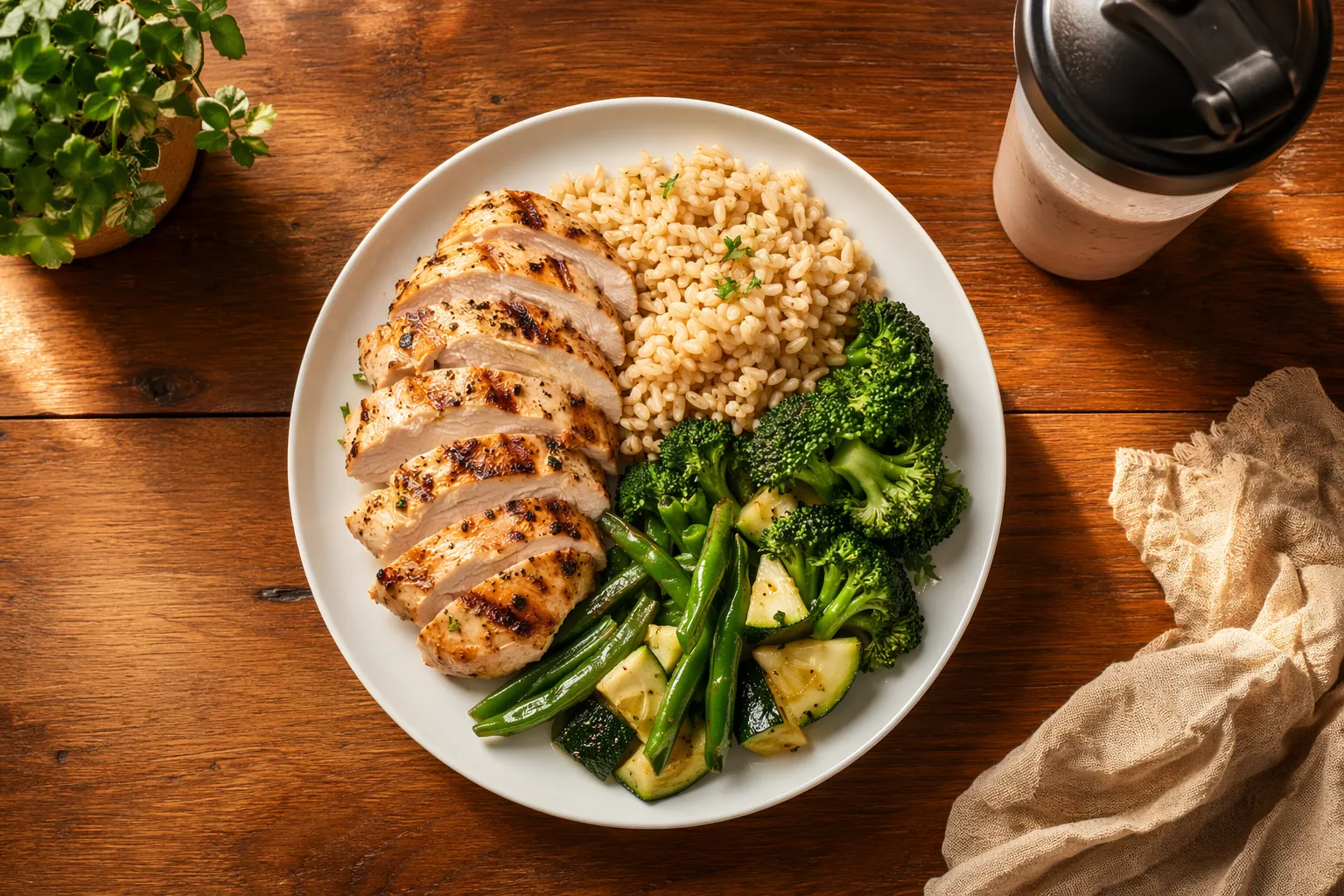
운동 영양은 훈련 연료 공급과 회복에 초점을 맞춰요. 운동 2-3시간 전 단백질과 탄수화물의 균형 잡힌 식사를 하고 수분을 유지하세요. 근육 회복을 위해 훈련 후 몇 시간 내에 20-40g의 단백질을 섭취해요. 일일 총 단백질과 칼로리 섭취가 정확한 섭취 타이밍보다 훨씬 중요해요.
피트니스 영양이 중요한 이유는 무엇인가요?
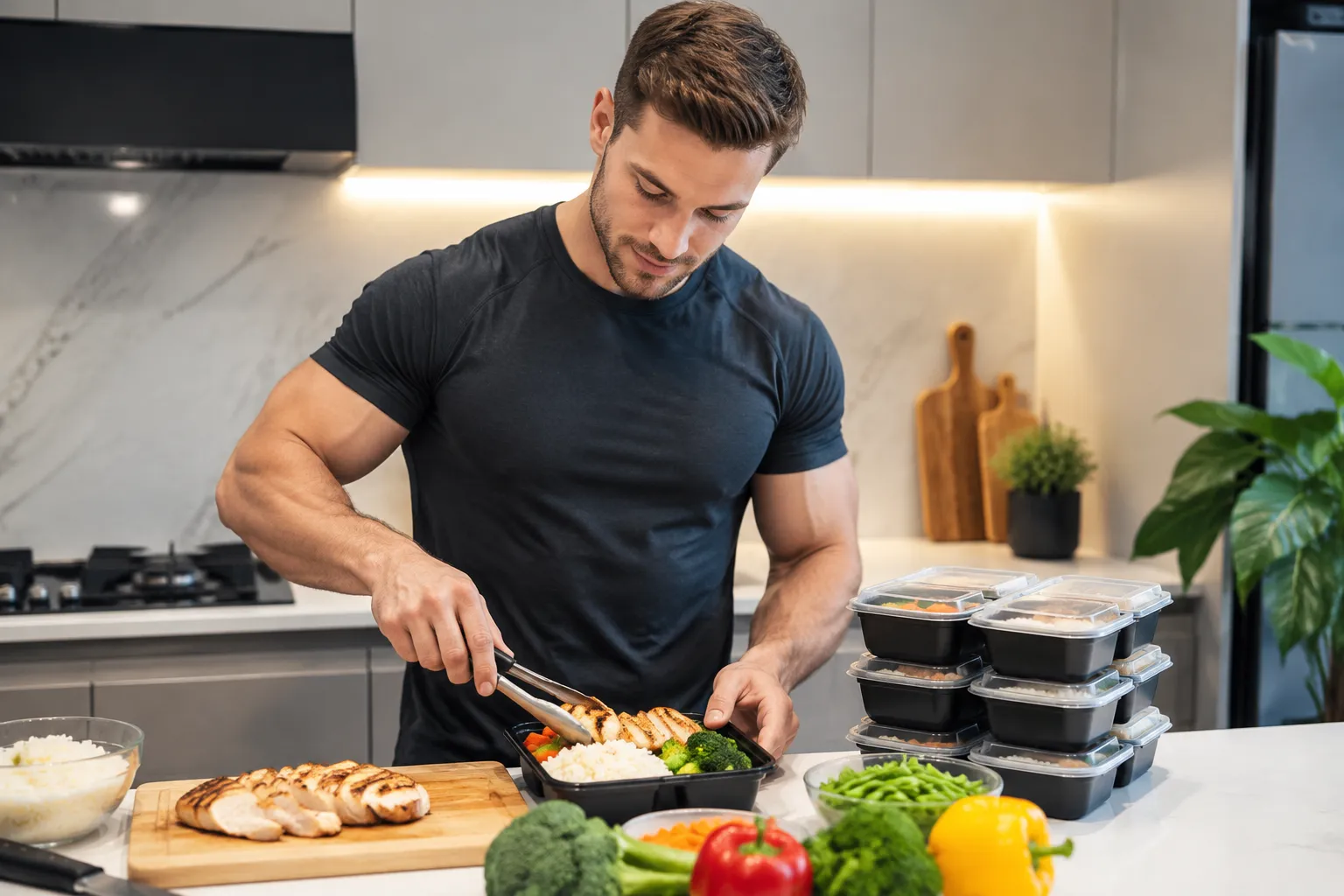
나쁜 식단은 운동으로 보상할 수 없습니다. 먹는 것은 에너지 수준, 회복 속도, 그리고 매 운동의 결과에 직접 영향을 미칩니다. 미국영양학회에 따르면 적절한 영양은 불균형 식단으로 운동할 때보다 운동 수행 능력을 최대 25% 향상시킬 수 있습니다.
초보자에게 가장 큰 변화는 음식을 칼로리가 아닌 연료로 생각하는 것입니다. 각 영양소는 다른 목적을 가집니다: 탄수화물은 운동에 에너지를 공급하고, 단백질은 근육을 재건하며, 지방은 호르몬 기능과 관절 건강을 지원합니다. 올바른 균형이 노력을 눈에 보이는 발전으로 바꾸는 핵심입니다.
초보자를 위한 다량영양소 기초는 무엇인가요?
모든 식사는 세 가지 다량영양소 — 단백질, 탄수화물, 지방 — 로 구성됩니다. 각각이 피트니스에 미치는 역할은 다음과 같습니다:
단백질 (체중 1kg당 하루 1.6~2.2g) — 근육의 구성 요소. 운동 후 신체는 식이 단백질을 사용해 근섬유의 미세 손상을 수리하여 더 강하고 약간 더 크게 만듭니다. 국제스포츠영양학회는 활동적인 사람들에게 이 범위를 권장합니다. 좋은 공급원: 닭가슴살, 달걀, 그릭 요거트, 생선, 콩류.
탄수화물 (체중 1kg당 하루 3~5g) — 중~고강도 운동의 주요 에너지원. 탄수화물은 근육과 간에 글리코겐으로 저장되어 모든 반복과 스프린트를 뒷받침합니다. 저탄수 식단과 강도 높은 훈련은 맞지 않습니다 — 무기력하고 약해집니다. 좋은 공급원: 쌀, 오트밀, 고구마, 과일, 통밀빵.
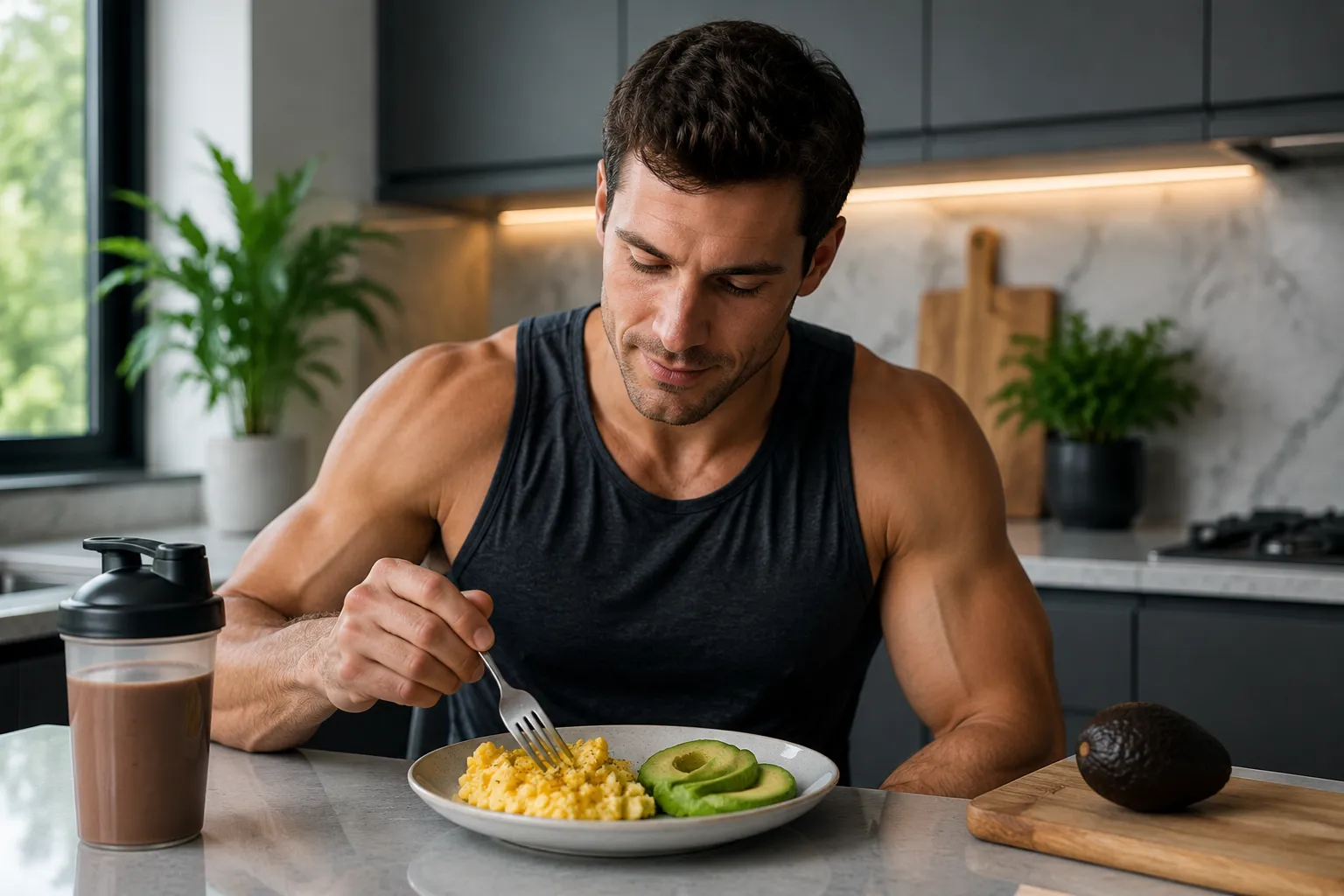
지방 (체중 1kg당 하루 0.8~1g) — 호르몬 생성(테스토스테론 포함), 관절 건강, 지용성 비타민(A, D, E, K) 흡수에 필수적. 지방을 너무 줄이지 마세요 — 회복과 에너지에 악영향을 미칩니다. 좋은 공급원: 올리브 오일, 아보카도, 견과류, 지방이 많은 생선.
초보자를 위한 간단한 시작 비율: 단백질 30%, 탄수화물 40%, 지방 30%. 몸 상태와 퍼포먼스에 따라 조정하세요.
운동 전에 무엇을 먹어야 할까요?
운동 전 식사는 에너지 넘치게 훈련할지 끌면서 할지를 결정합니다. 기본 규칙:
2~3시간 전: 탄수화물, 단백질, 약간의 지방이 포함된 균형 잡힌 식사를 하세요. 예: 닭고기와 밥과 채소, 또는 오트밀에 프로틴과 바나나. 몸이 소화하고 글리코겐을 저장할 시간을 줍니다.
30~60분 전: 배가 고프고 빠른 에너지가 필요하다면, 소화가 쉬운 탄수화물을 지방과 식이섬유를 최소화해서 선택하세요(소화를 늦추므로). 예: 바나나 하나, 꿀 바른 토스트 한 장, 또는 작은 스무디. 목표는 위 불편 없이 빠른 에너지를 얻는 것입니다.
운동 직전의 고지방·고식이섬유 음식은 피하세요 — 위에 남아 격렬한 움직임 중 복부팽만이나 메스꺼움을 유발할 수 있습니다.
회복을 위한 운동 후 영양은 무엇인가요?
운동 후 근육은 영양을 흡수하고 수리 과정을 시작할 준비가 되어 있습니다. "동화 윈도우" — 신체가 근육 수리에 단백질을 가장 효율적으로 사용하는 기간 — 은 운동 후 약 2시간 지속되지만, 최근 연구는 이 윈도우가 이전보다 넓다고 시사합니다.
무엇을 먹을까: 단백질과 탄수화물의 조합. 단백질은 근육 단백질 합성을 촉진하고, 탄수화물은 고갈된 글리코겐 저장을 보충합니다. 실용 가이드: 운동 후 2시간 이내에 20~40g 단백질과 비슷한 양의 탄수화물을 목표로 하세요.
예시: 바나나와 함께하는 프로틴 셰이크, 구운 닭가슴살과 고구마, 베리와 그래놀라를 얹은 그릭 요거트, 또는 운동이 식사 시간과 가까우면 균형 잡힌 저녁 식사도 좋습니다.
핵심은 완벽이 아니라 일관성입니다. 한 번의 운동 후 식사를 놓친다고 진전이 망가지지 않습니다 — 하지만 꾸준히 좋은 식사를 하면 몇 주, 몇 개월에 걸쳐 실제 결과로 축적됩니다.
운동 중 수분 섭취는 어떻게 해야 하나요?
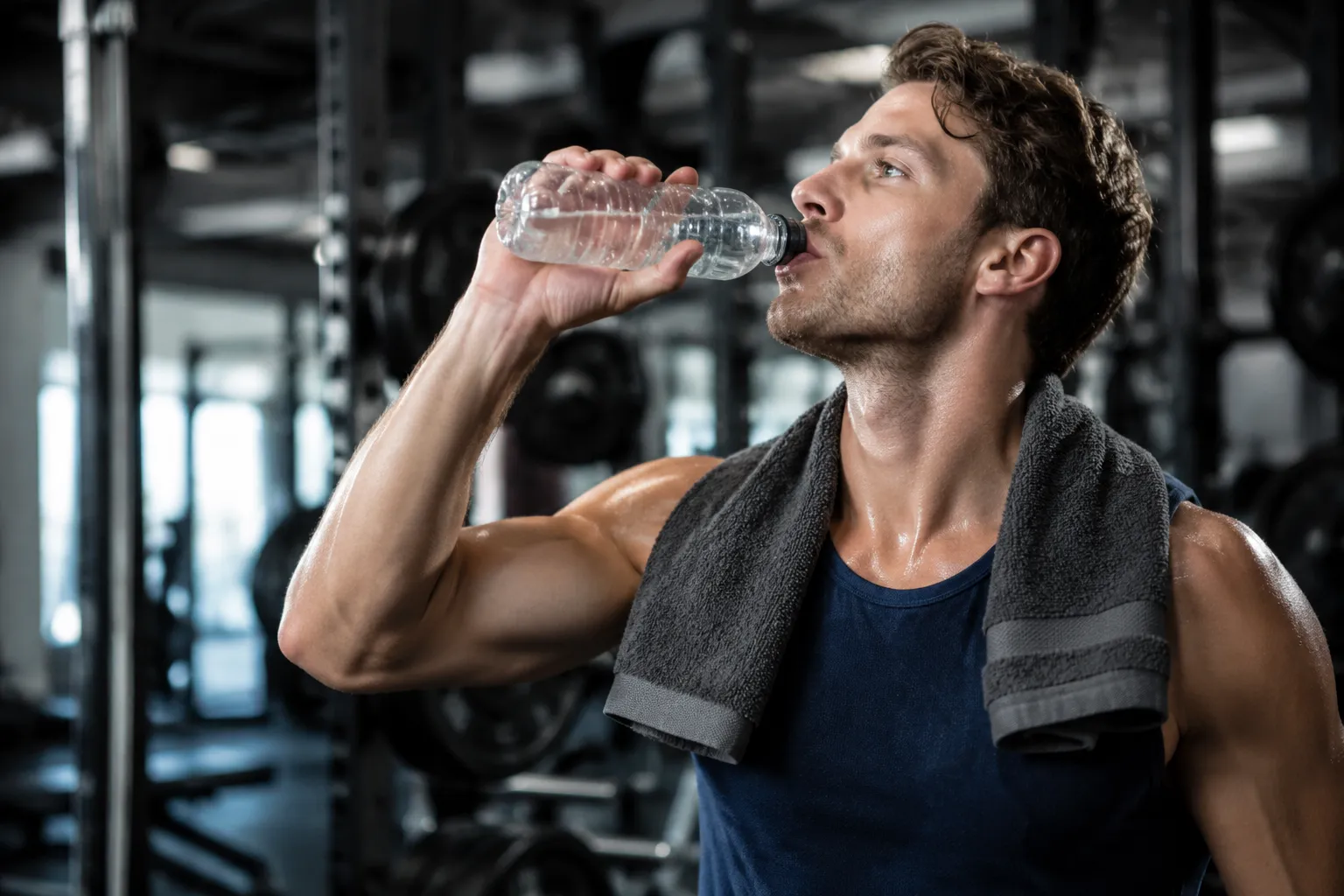
체중의 단 2% 탈수만으로도 운동 수행 능력이 최대 20% 감소할 수 있다고 미국스포츠의학대학이 보고합니다. 70kg 사람의 경우 불과 1.4리터의 체액 손실 — 45분 세션에서 쉽게 도달합니다.
운동 전: 2~3시간 전에 400~600ml의 물을 마시고, 시작 30분 전에 200~300ml를 더 마세요.
운동 중: 15~20분마다 150~250ml를 조금씩 마시세요. 60분 미만의 세션은 물로 충분합니다. 더 길거나 강도 높은 세션에서는 땀으로 잃는 것을 보충하기 위해 전해질(나트륨, 칼륨) 음료를 고려하세요.
운동 후: 운동 중 잃은 체중 0.5kg당 500~750ml를 마시세요. 간단한 확인: 소변은 옅은 노란색이어야 하고, 짙으면 안 됩니다.
핵심 요약은 무엇인가요?
| 항목 | 권장사항 |
|---|---|
| 매크로 시작 비율 | 단백질 30%, 탄수화물 40%, 지방 30% |
| 운동 전 (2-3시간 전) | 탄수화물 + 단백질 균형 식사 |
| 운동 전 (30-60분 전) | 빠르게 소화되는 탄수화물 (바나나, 토스트) |
| 운동 후 | 2시간 이내 20-40g 단백질 + 탄수화물 |
| 수분 섭취 | 전에 400-600ml, 중에 마시기, 후에 재보충 |
초보자들이 자주 하는 영양 실수:
- 이유 없이 공복으로 운동하기 (계획된 간헐적 단식은 OK)
- 운동 후 영양을 완전히 무시하기
- 목마를 때만 마시기 (그때 이미 탈수 상태)
- 진짜 음식 대신 보충제에 과도하게 의존하기
다음 단계: 이번 주에 운동 전 식사 1끼와 운동 후 식사 1끼를 계획하세요. 작게 시작하세요 — 운동 전 바나나 하나, 운동 후 고단백 스낵 하나만으로도 눈에 띄는 차이가 있습니다.
자주 묻는 질문
운동 1-2시간 전에 뭘 먹나요?
탄수화물+소량 단백질 조합 — 바나나+땅콩버터, 오트밀+프로틴. 직전의 고지방·고섬유질은 소화를 늦춰 불편함 유발.
운동 후 얼마나 빨리 먹어야 하나요?
1-2시간 내면 OK — 30분 마법의 윈도우는 없음. 중요한 건 일일 단백질과 칼로리 총량. 단 공복 운동했다면 빨리 먹어 회복 지원.
근육 증가에 프로틴 셰이크 필요?
필수 아님. 편리하지만 필수는 아님. 닭고기, 달걀, 생선, 두부, 그릭 요거트도 동일. 목표는 체중 kg당 1.6-2.2g 단백질 — 식품이나 보충제 무관.
참고 문헌 및 출처
- Schoenfeld BJ, et al. The effect of protein timing on muscle strength and hypertrophy: a meta-analysis. J Int Soc Sports Nutr (2013).
- Morton RW, et al. A systematic review, meta-analysis and meta-regression of the effect of protein supplementation on resistance training gains. Br J Sports Med (2018).