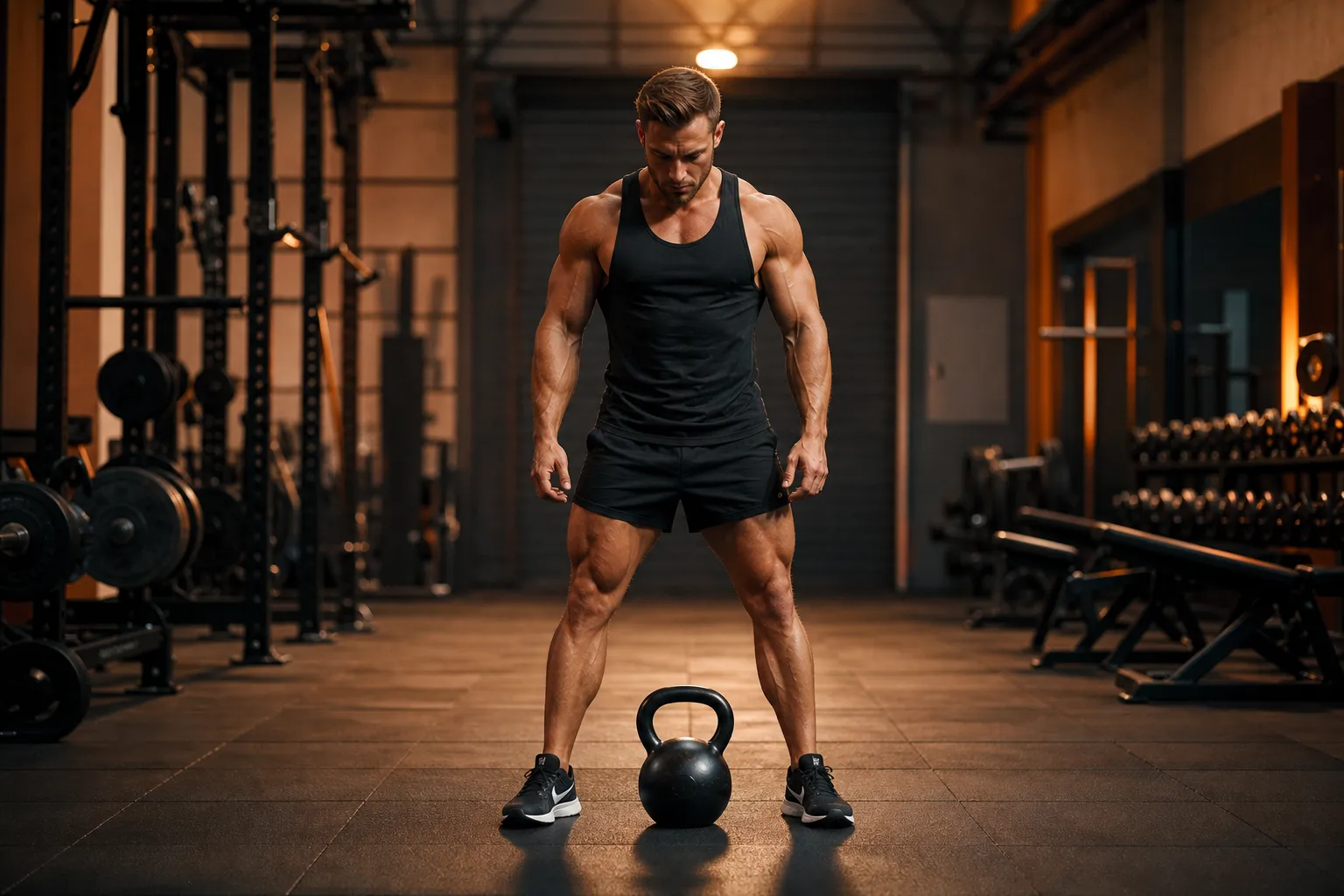
Muscle Group Exercises: The Complete Guide to Training Every Body Part
Whether your goal is building size, gaining strength, or improving athletic performance, understanding how to train each muscle group is the foundation of an effective program. Every muscle in your body responds to the right combination of exercises, volume, and equipment. This guide breaks down the six major muscle groups, explains which equipment works best for each goal, and shows you how to organize your training for maximum results.
Find Exercises: Muscle x Equipment
No guide for this combination yet. Try another muscle group or equipment.

What Are the Major Muscle Groups You Should Train?
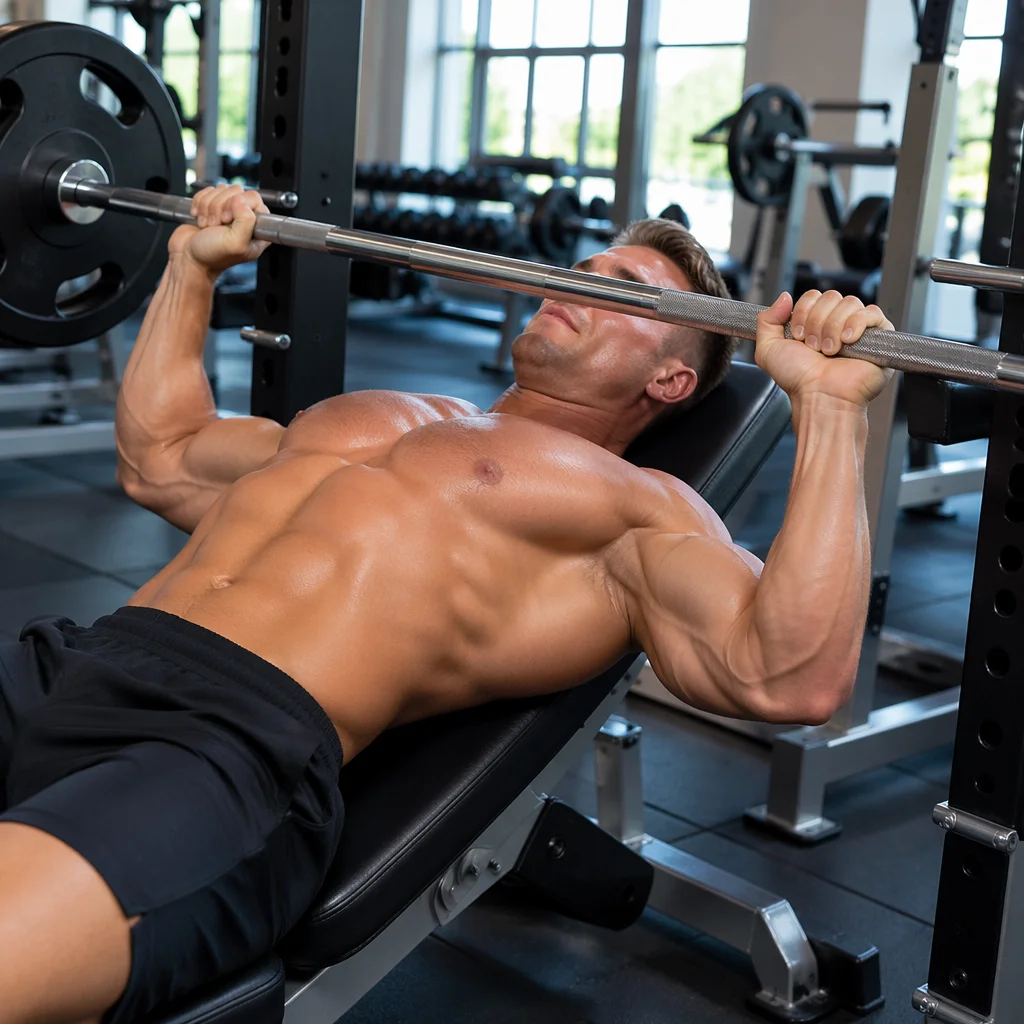
A balanced physique requires training all six major muscle groups. Neglecting any one of them leads to imbalances, poor posture, and a higher risk of injury. Here is a breakdown of each group and what it does:
Chest (Pectorals)
The pectoralis major and minor drive all pushing movements. Every time you push a door open, throw a ball, or press a weight away from your body, your chest is the prime mover. Key exercises include the barbell bench press, dumbbell press, and cable fly.
Back (Lats, Traps, Rhomboids)
Your back muscles handle every pulling motion. The latissimus dorsi powers pull-downs and rows, while the trapezius and rhomboids retract and depress the scapulae. A strong back improves posture and protects the shoulders. Train it with the barbell row and deadlift, dumbbell row, and cable row.
Shoulders (Deltoids)
The deltoids have three heads — anterior, lateral, and posterior — that raise the arm forward, to the side, and backward respectively. Well-developed shoulders create the visual width that defines an athletic build. Target them with the dumbbell shoulder press and cable lateral raise.
Arms (Biceps, Triceps)
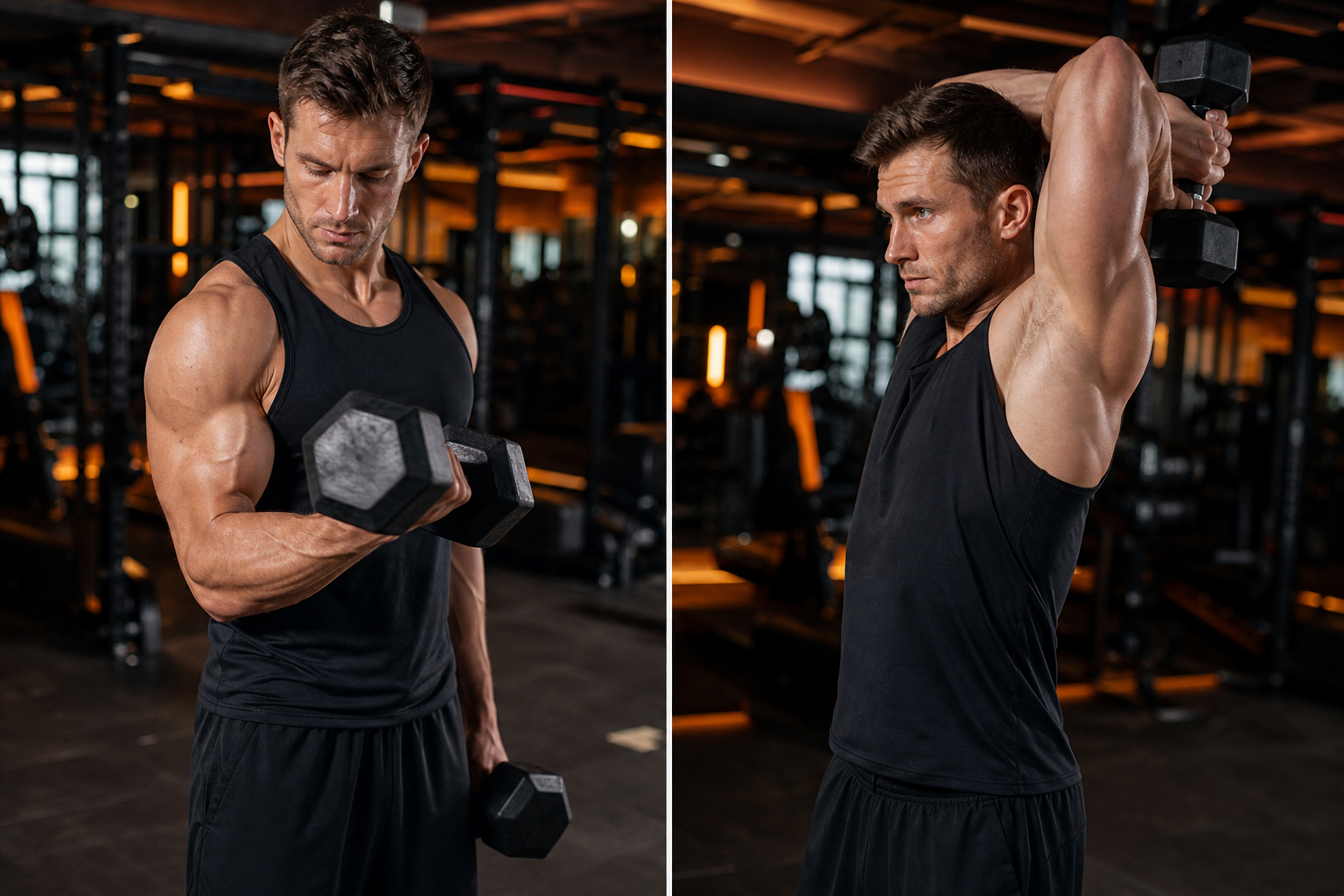
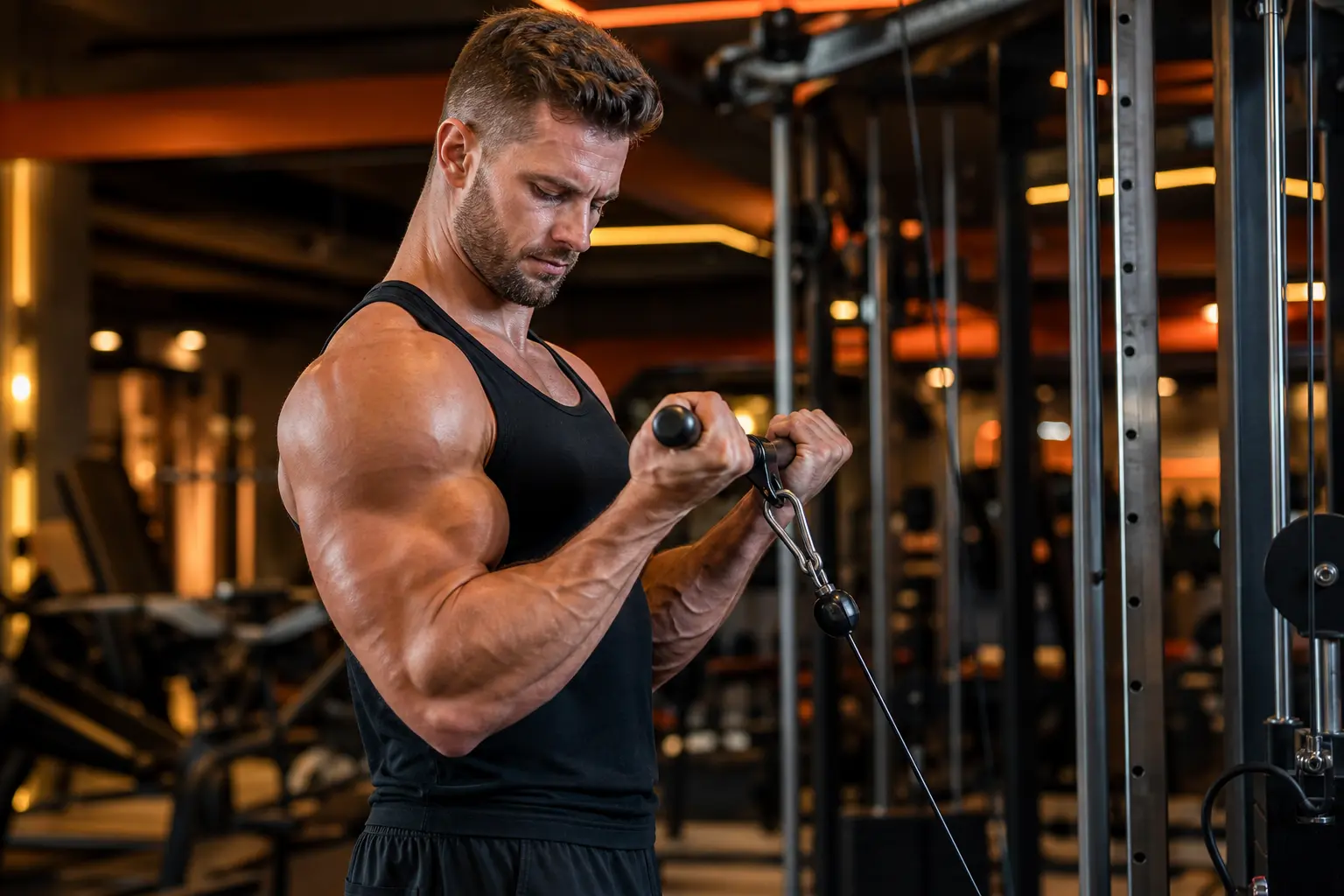
The biceps flex the elbow and supinate the forearm; the triceps extend the elbow and make up roughly two-thirds of your upper-arm mass. Despite being smaller muscles, they are involved in every upper-body lift. Isolate them with the dumbbell curl and cable tricep pushdown.
Legs (Quads, Hamstrings, Glutes, Calves)
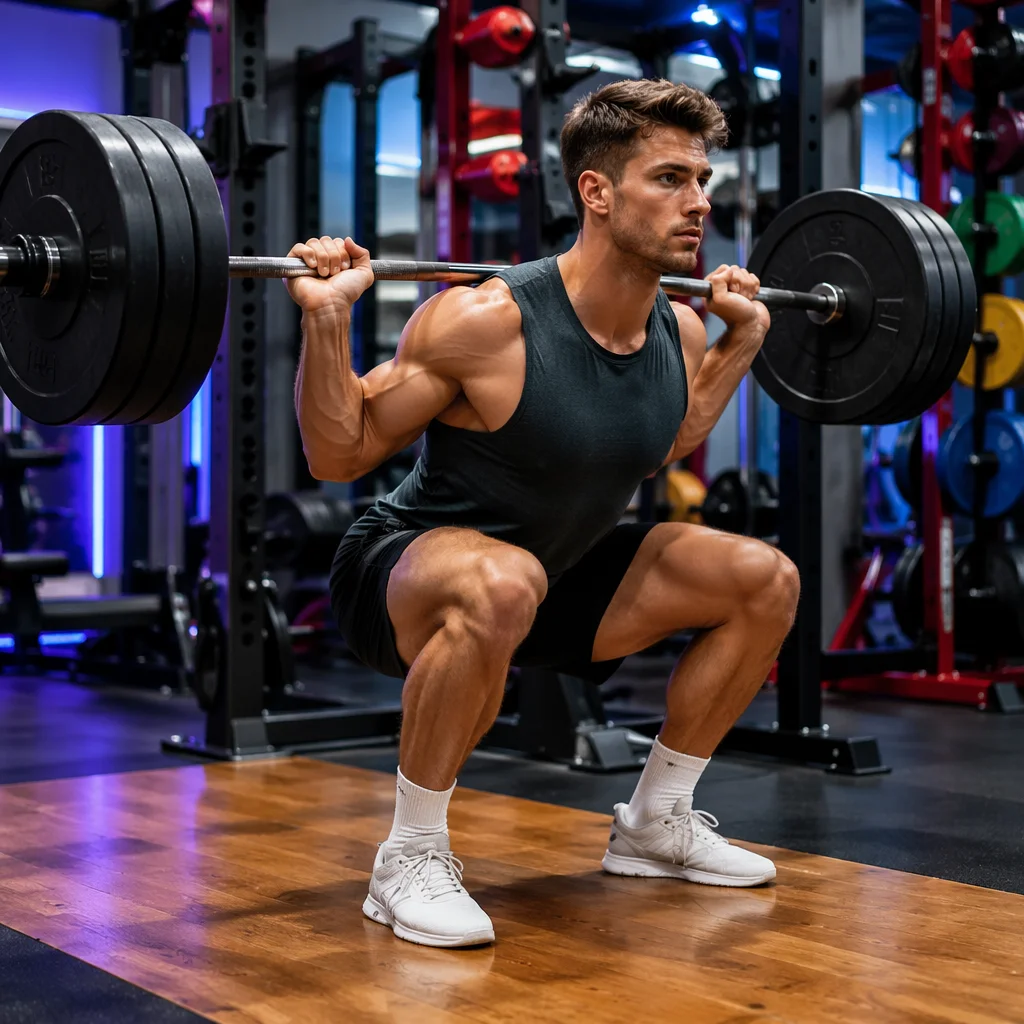
The legs contain the largest muscles in your body. The quadriceps extend the knee, the hamstrings flex it, the glutes extend the hip, and the calves plantarflex the ankle. Leg training drives overall strength and metabolic demand. Build them with the barbell squat, dumbbell lunge, and cable leg curl.
Core (Rectus Abdominis, Obliques, Transversus Abdominis)
The core stabilizes the spine and transfers force between the upper and lower body. The rectus abdominis flexes the trunk, the obliques rotate and laterally flex it, and the transversus abdominis acts as an internal weight belt. A strong core is essential for every heavy lift you do.
Training all six groups prevents the common mistake of overdeveloping the "mirror muscles" (chest and arms) while neglecting the posterior chain (back, glutes, hamstrings). This imbalance not only limits your aesthetics — it increases injury risk, particularly in the shoulders and lower back.
Which Muscle Groups Should You Train Together?
How you pair muscle groups determines your training frequency, recovery, and results. Three proven splits cover every experience level:
Push / Pull / Legs Split
This is the most popular split for intermediate and advanced lifters. It groups muscles by their function:
- Push day: Chest + Shoulders + Triceps (all involved in pressing movements)
- Pull day: Back + Biceps (all involved in pulling movements)
- Legs day: Quads + Hamstrings + Glutes + Calves + Core
Run it on a 6-day rotation (push/pull/legs/push/pull/legs/rest) or a rotating 3-on/1-off schedule to hit each group twice per week.
Upper / Lower Split
Ideal for intermediate lifters who want to train 4 days per week:
- Upper A: Horizontal press + horizontal pull + vertical press + vertical pull + arms
- Lower A: Squat pattern + hinge pattern + lunges + calf raises + core
- Upper B: Same movements, different rep ranges or exercise variations
- Lower B: Same as Lower A with variation
This split hits every muscle twice per week with built-in variety.
Full-Body Split (Best for Beginners)
Beginners recover quickly and benefit most from high frequency. A 3-day full-body split trains every muscle group each session:
| Day | Muscle Groups | Sample Exercises |
|---|---|---|
| Day 1 — Push Focus | Chest + Shoulders + Triceps + Legs | Bench press, overhead press, squat, tricep dip |
| Day 2 — Pull Focus | Back + Biceps + Core | Barbell row, pull-up, dumbbell curl, plank |
| Day 3 — Legs Focus | Quads + Hamstrings + Glutes + Shoulders | Deadlift, lunge, leg curl, lateral raise |
Training each muscle group twice per week is optimal for beginners. A landmark 2016 meta-analysis by Schoenfeld and colleagues found that training a muscle 2x/week produced significantly greater hypertrophy than 1x/week, even when total weekly volume was equated. This means frequency itself — not just volume — drives growth. A 3-day full-body split or 4-day upper/lower split both achieve this 2x/week frequency naturally.
How Does Your Choice of Equipment Change the Exercise?
The type of equipment you use changes the resistance profile, stability demands, and muscle activation of every exercise. Understanding these differences lets you choose the right tool for each goal:
Barbell — Maximum Load, Maximum Strength
Barbells allow you to lift the heaviest weights because both sides of your body work together to move a single object. This makes them the best choice for building raw strength. Compound barbell lifts like the squat, bench press, and deadlift recruit the most muscle mass and produce the greatest hormonal and neurological adaptation. However, the barbell path is fixed, which can stress joints if your anatomy does not match the movement.
Dumbbell — Unilateral Training, Full Range of Motion
Dumbbells force each side of your body to work independently. This corrects strength imbalances — most people have a 5-10% difference between their dominant and non-dominant sides. Dumbbells also allow a freer range of motion; you can rotate your wrists and adjust the arc of each press to match your joint structure. The trade-off is that you cannot load as much total weight as a barbell, so absolute strength gains are slightly lower.
Cable — Constant Tension, Isolation and Pump
Cables provide constant resistance throughout the entire range of motion because the weight stack pulls via a pulley regardless of gravity. This makes cables superior for isolation work and achieving a muscle pump. Exercises like cable flys, cable lateral raises, and cable tricep pushdowns keep tension on the target muscle at every point — even at the peak contraction, where dumbbells and barbells offer little resistance.
| Goal | Best Equipment | Why |
|---|---|---|
| Maximum strength | Barbell | Heaviest loads, most muscle recruitment |
| Muscle imbalance correction | Dumbbell | Unilateral loading, freer range of motion |
| Hypertrophy (muscle size) | Dumbbell + Cable | Full range of motion + constant tension |
| Isolation and pump | Cable | Continuous tension at every angle |
| Joint-friendly training | Dumbbell + Cable | Adjustable path reduces joint stress |
The best programs use all three. Start compound movements with a barbell for strength, follow with dumbbells for unilateral work and fuller range, and finish with cables for isolation and pump. Each muscle group can be trained with multiple equipment types for variety and complete development — explore chest barbell exercises, chest dumbbell exercises, and chest cable exercises to see the difference in action.
How Many Exercises Should You Do Per Muscle Group?
More is not always better. The right number of exercises depends on your experience level and recovery capacity:
Beginners (0-12 months)
Start with 2-3 exercises per muscle group per session, performing 3 sets of 8-12 reps each. This provides enough stimulus for growth without overwhelming your recovery. A sample chest workout for a beginner: bench press (3×10), incline dumbbell press (3×10), cable fly (2×12). That is 24 total sets per week across 2 sessions — well within the effective range.
Weekly Volume Guidelines
The current evidence-based recommendation is 10-20 sets per muscle group per week (Schoenfeld & Grgic, 2018). This range accounts for individual variation — some people grow on 10 sets, others need closer to 20. Start at the lower end and add sets only when progress stalls for 2-3 consecutive weeks.
Quality Over Quantity
Junk volume — sets performed with poor form, insufficient intensity, or inadequate rest — does not build muscle. It only adds fatigue. Every set should be taken within 1-2 reps of failure (RPE 8-9). If you can do 5 more reps at the end of a set, the effort was too low to stimulate growth.
Rest Between Sets
Rest duration directly affects your performance on subsequent sets:
- Hypertrophy focus: 60-90 seconds between sets. This creates metabolic stress, a key driver of muscle growth.
- Strength focus: 2-3 minutes between sets. Full ATP recovery takes about 3 minutes, and heavier loads demand more rest to maintain performance.
- Endurance focus: 30-60 seconds between sets. Short rest periods challenge cardiovascular recovery but produce less strength and hypertrophy adaptation.
| Experience Level | Exercises/Group | Sets/Exercise | Weekly Sets/Group | Rest |
|---|---|---|---|---|
| Beginner | 2-3 | 3 | 10-14 | 60-90s |
| Intermediate | 3-4 | 3-4 | 14-18 | 60-120s |
| Advanced | 4-5 | 4 | 16-20 | 90-180s |
What Are the Key Takeaways
| Principle | Guideline |
|---|---|
| Train all 6 muscle groups | Chest, back, shoulders, arms, legs, core — never skip one |
| Train each group 2x/week | Use push/pull/legs, upper/lower, or full-body splits |
| Use all 3 equipment types | Barbell for strength, dumbbell for balance, cable for isolation |
| 10-20 sets per group per week | Start at 10-14 and increase only when progress stalls |
| Every set within 1-2 reps of failure | Quality effort beats junk volume |
| Rest 60-90s for hypertrophy, 2-3min for strength | Match rest to your training goal |
Chest
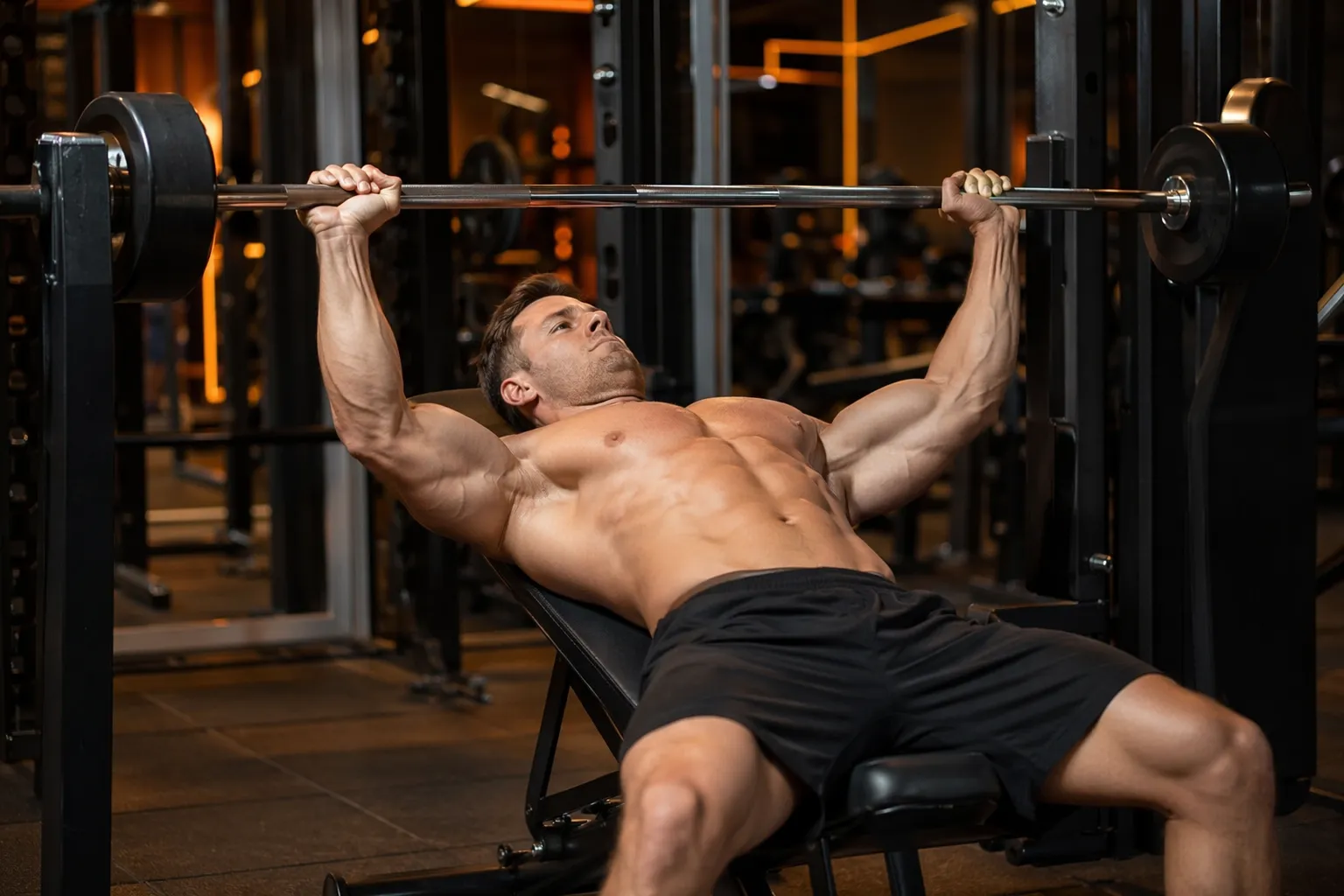
Chest + Barbell
Learn More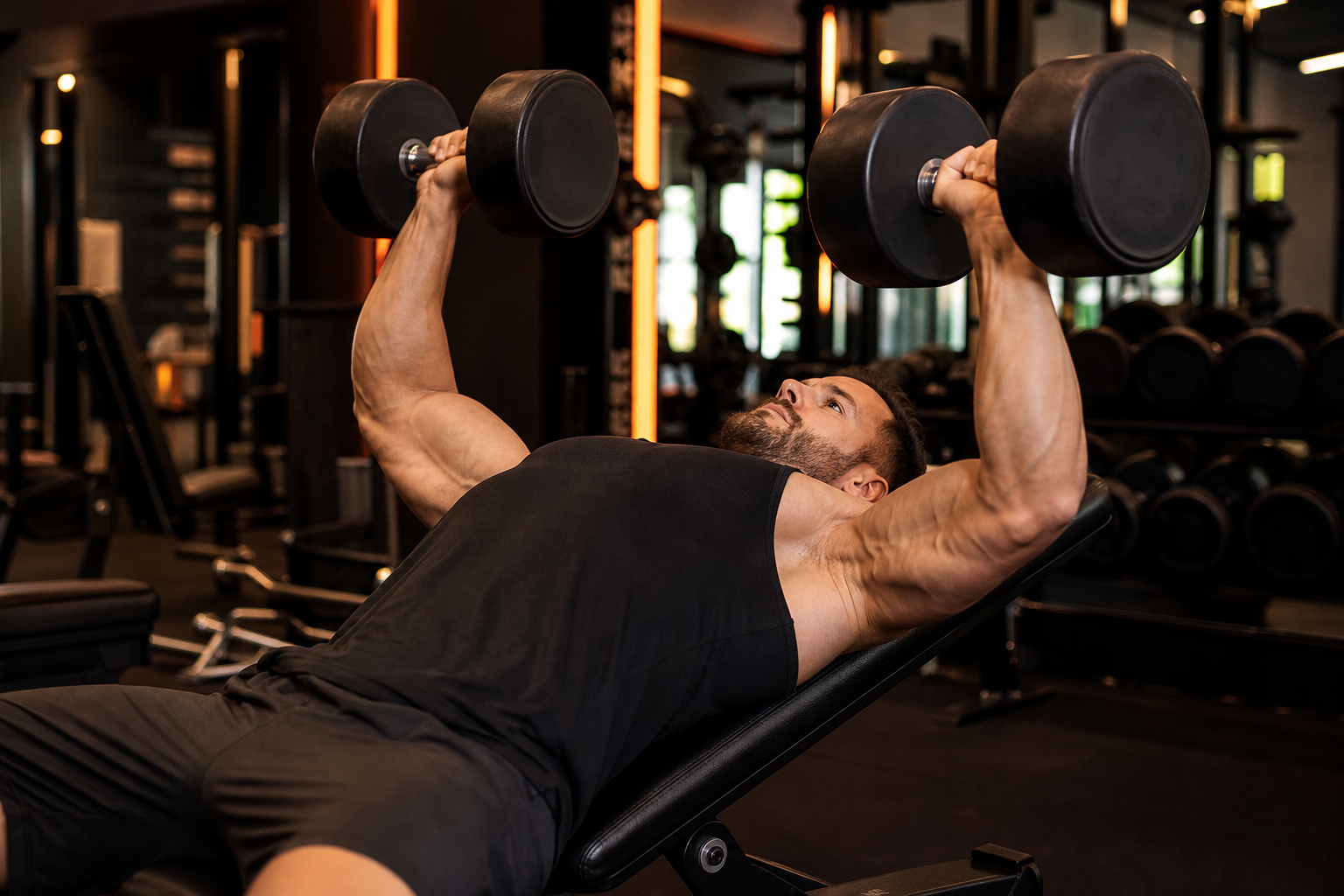
Chest + Dumbbells
Learn More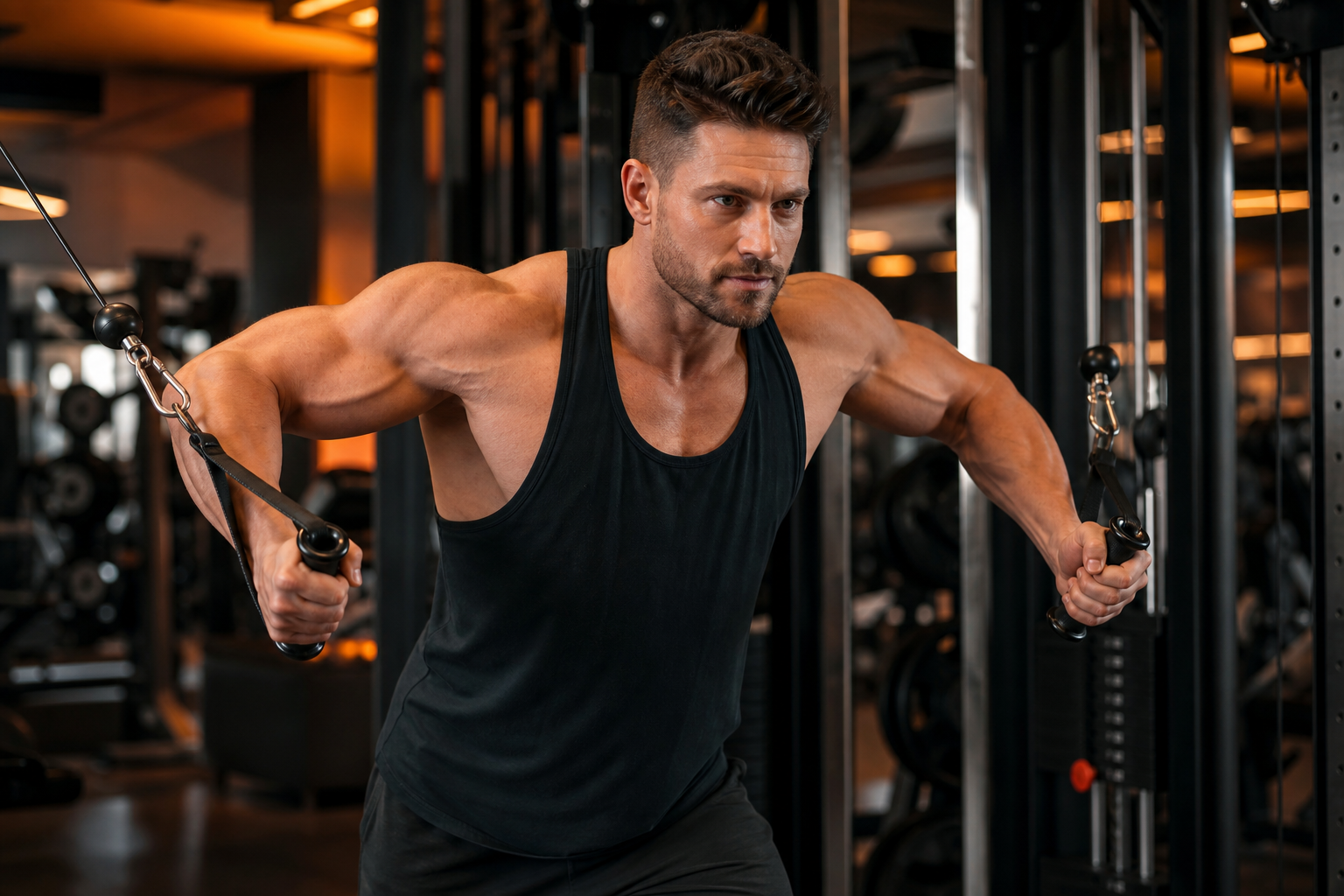
Chest + Cable Machine
Learn More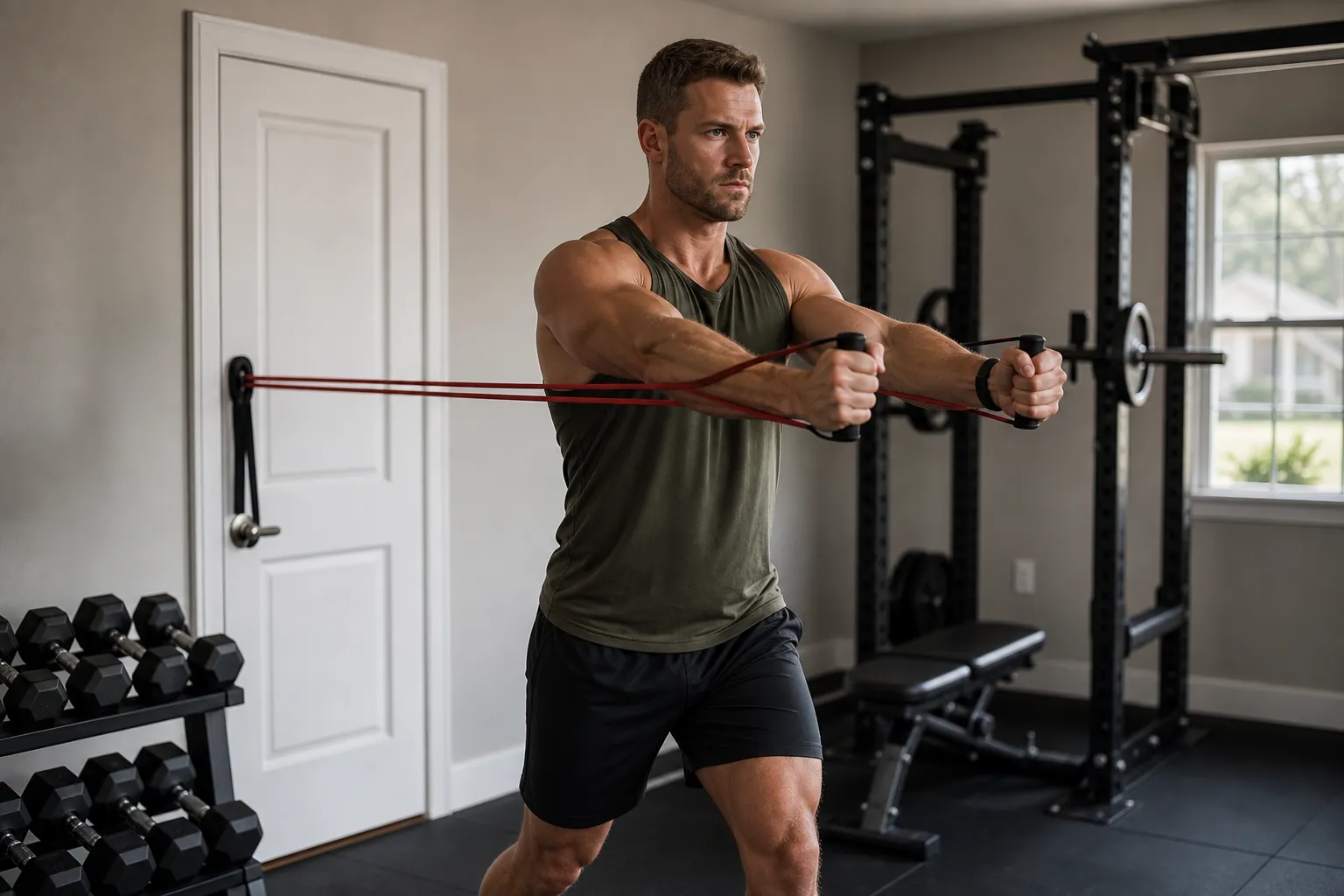
Chest + Resistance Band
Learn MoreBack
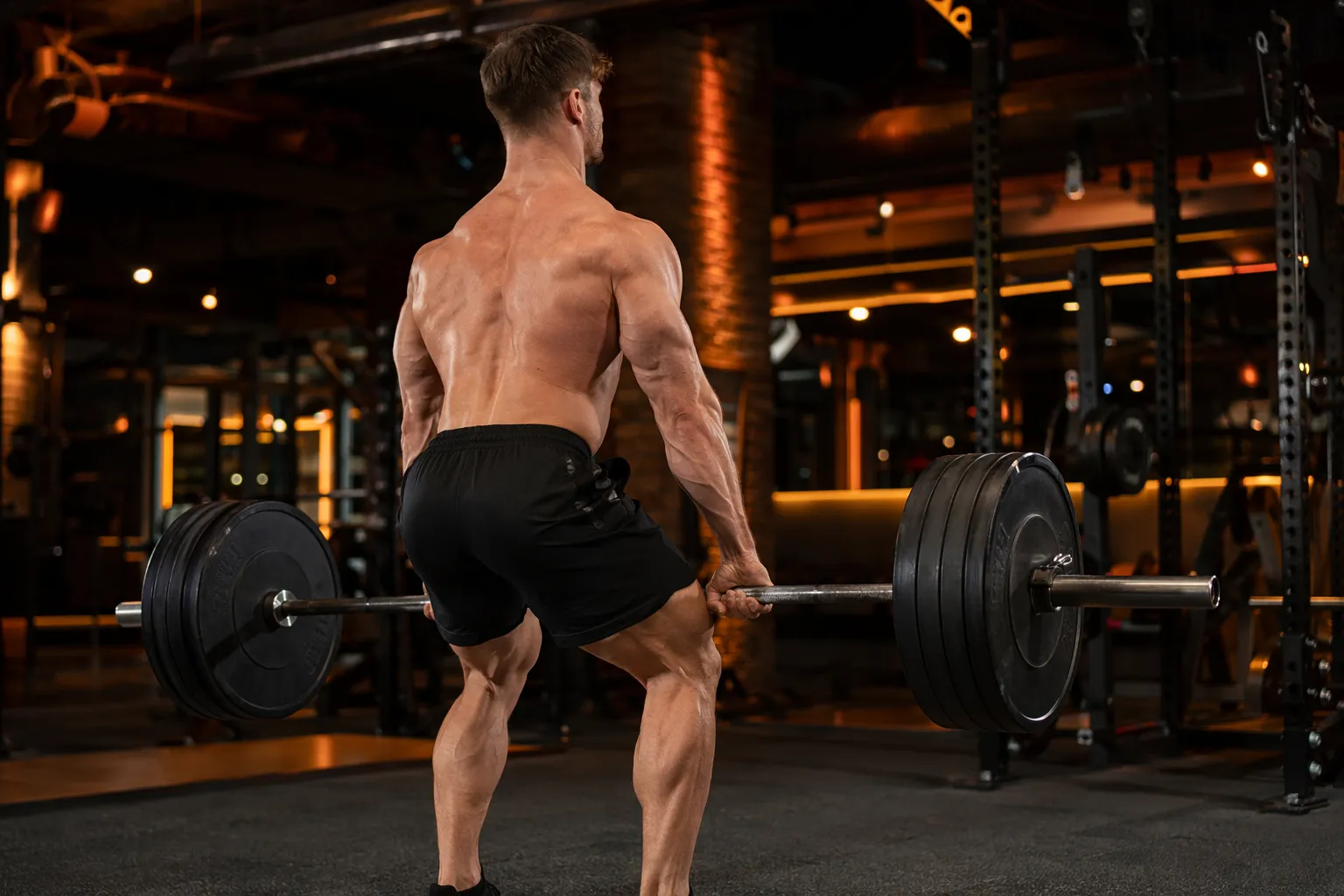
Back + Barbell
Learn More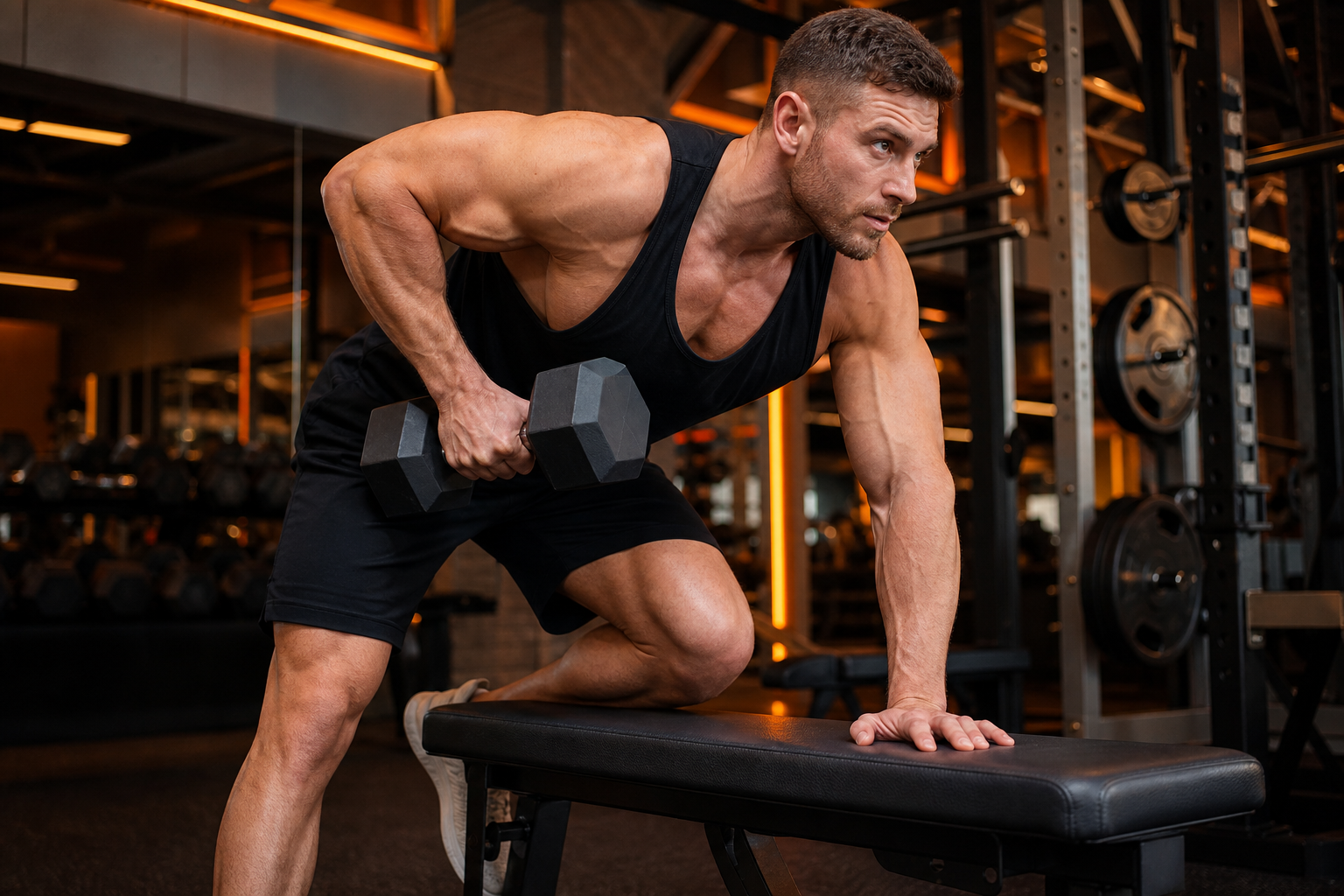
Back + Dumbbells
Learn More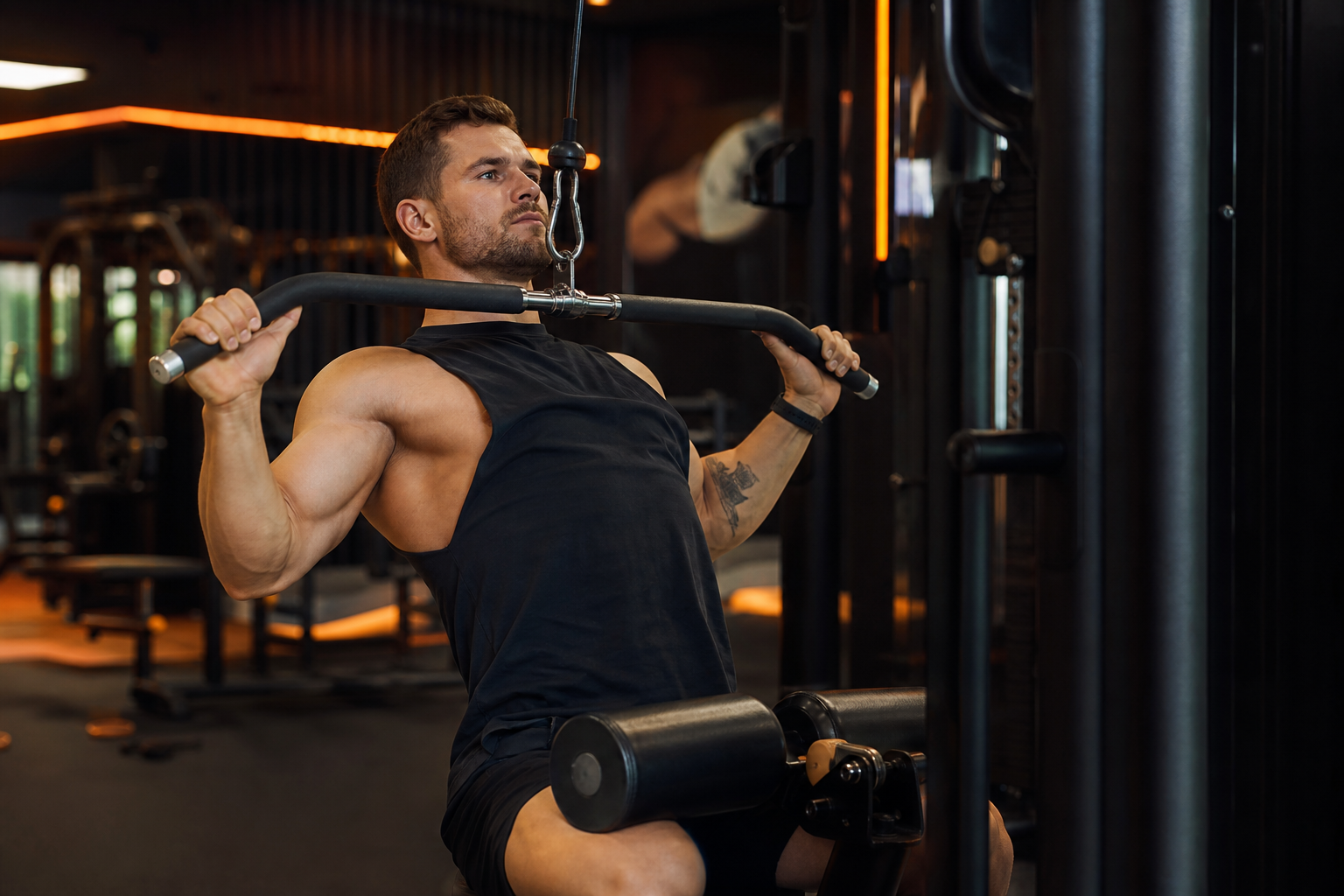
Back + Cable Machine
Learn More
Back + Pull-up Bar
Learn MoreShoulders
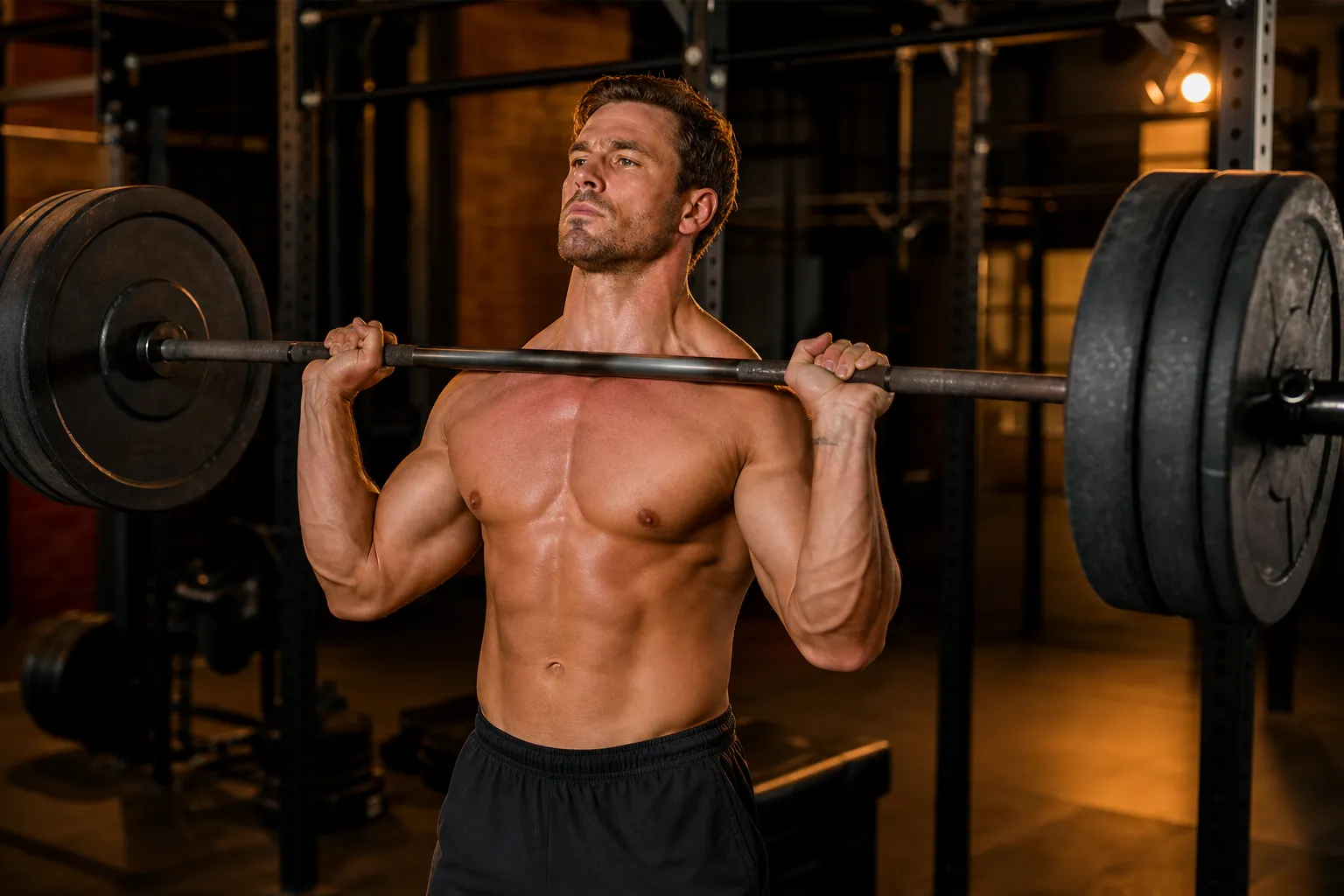
Shoulders + Barbell
Learn More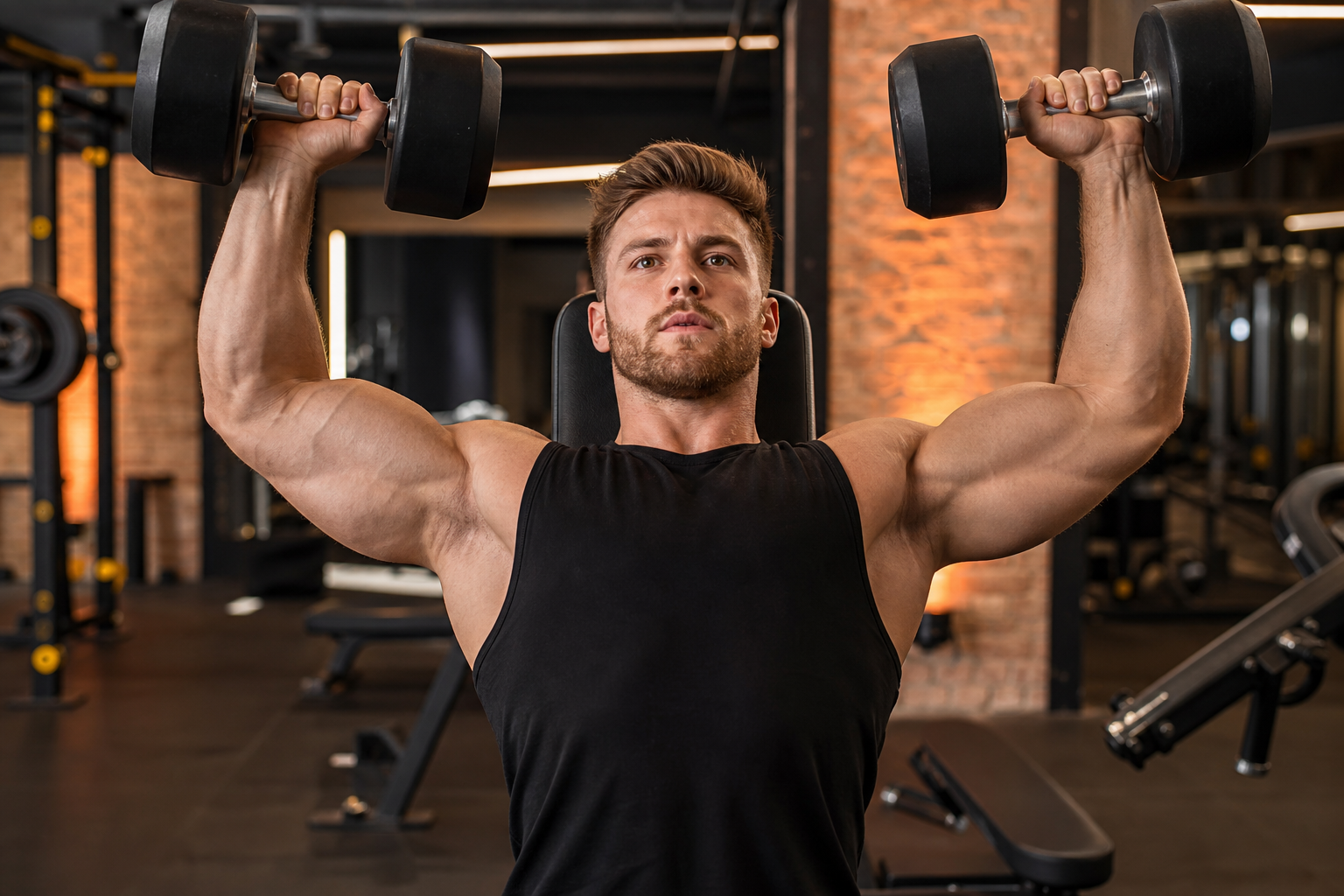
Shoulders + Dumbbells
Learn More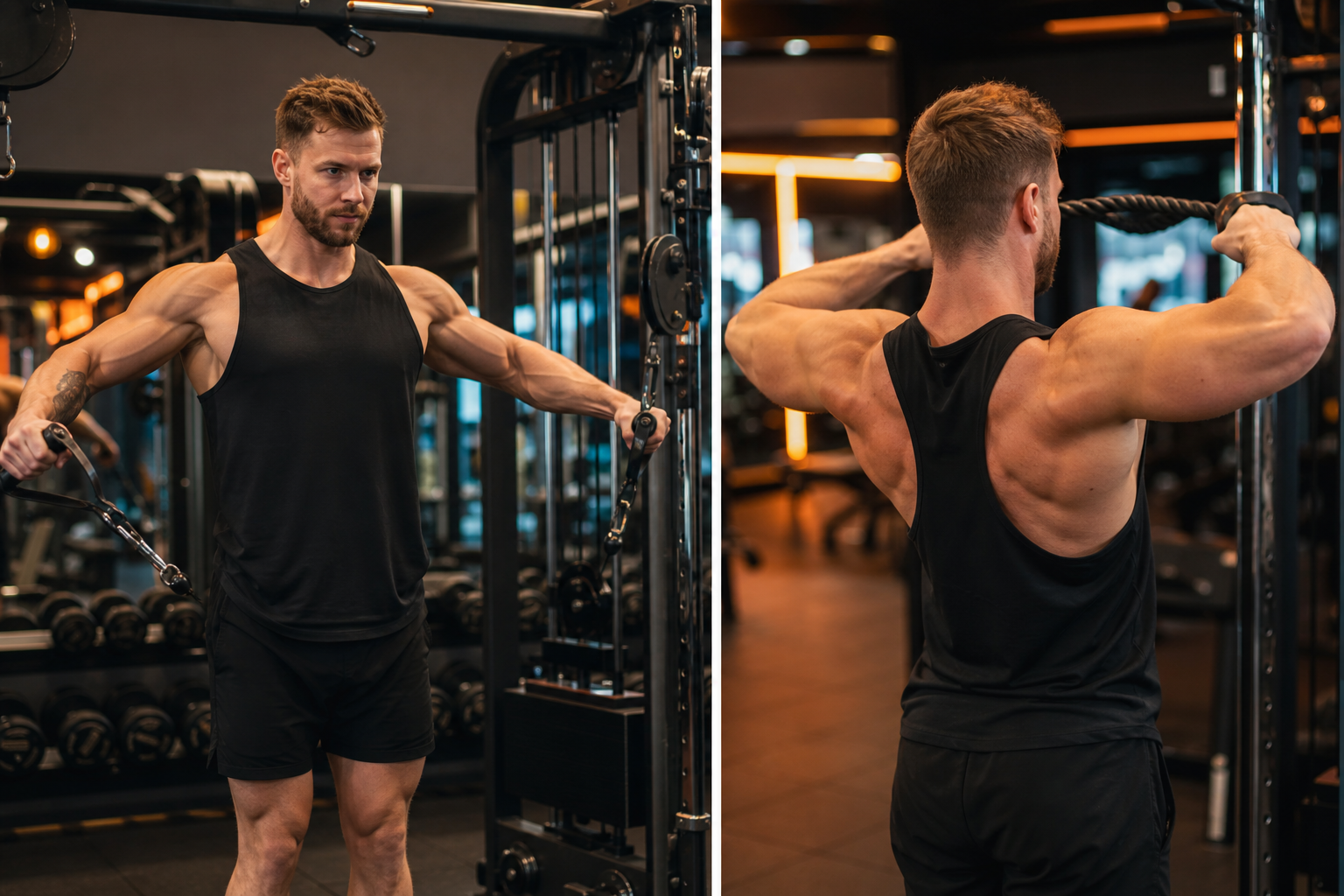
Shoulders + Cable Machine
Learn MoreArms
Legs
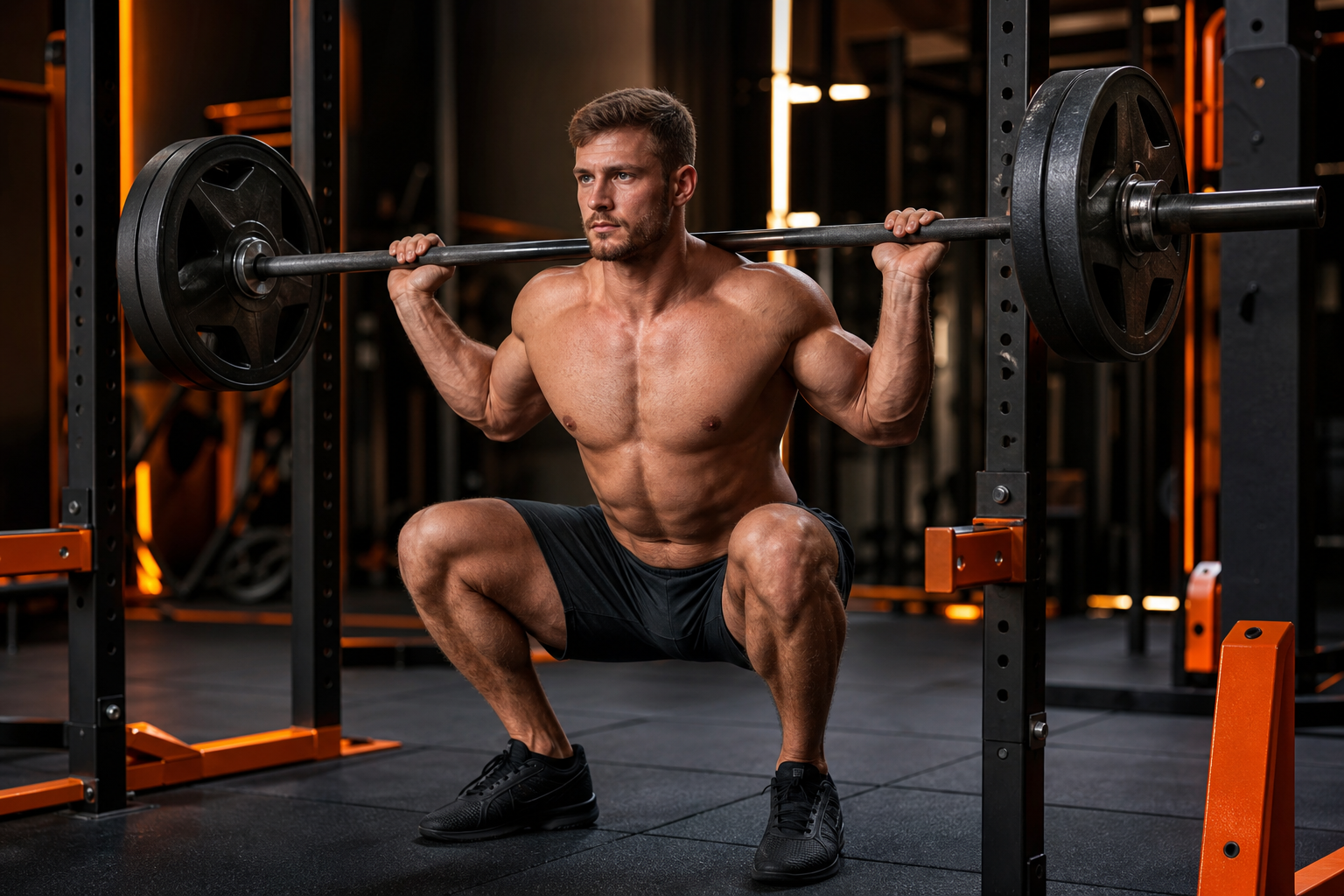
Legs + Barbell
Learn More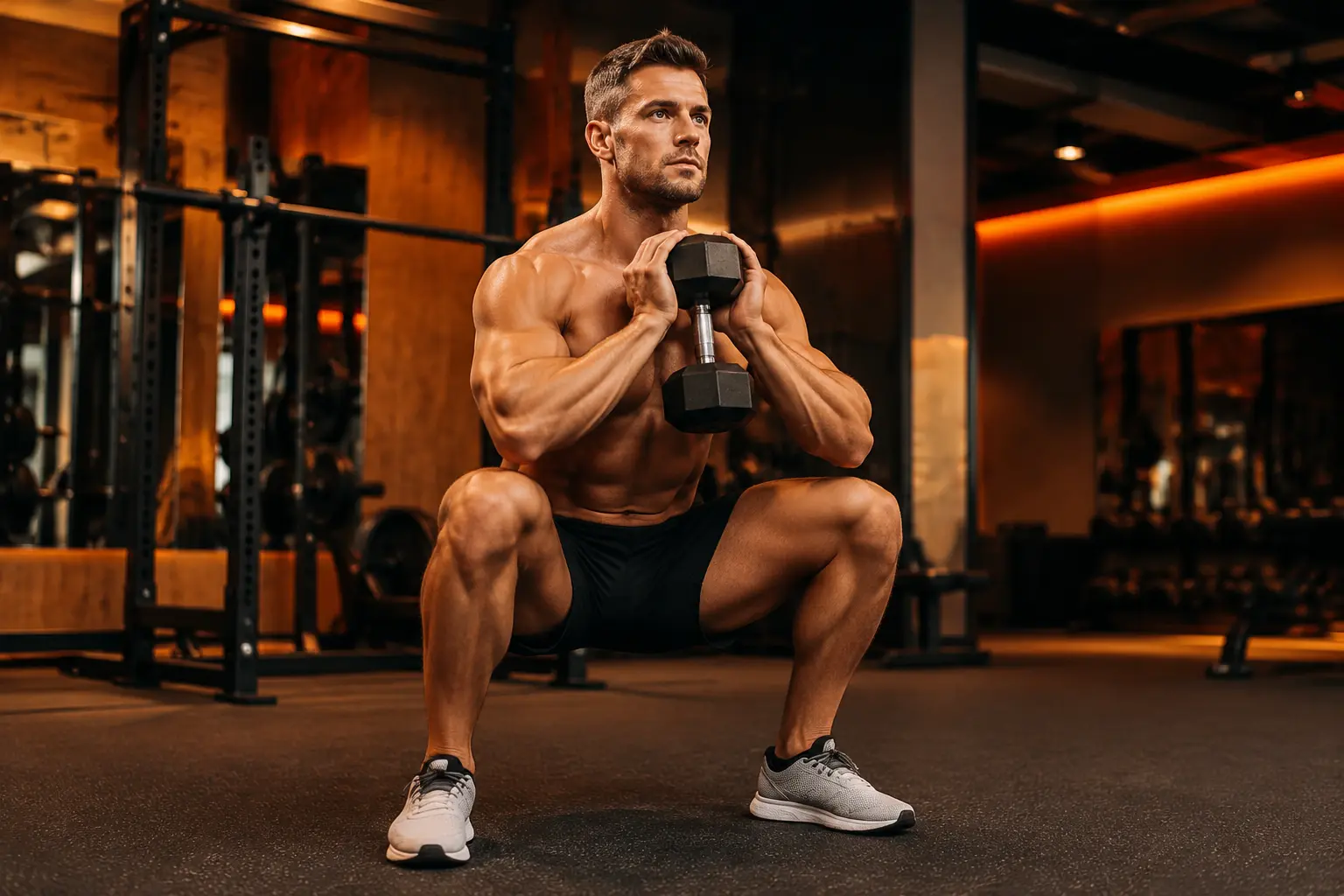
Legs + Dumbbells
Learn More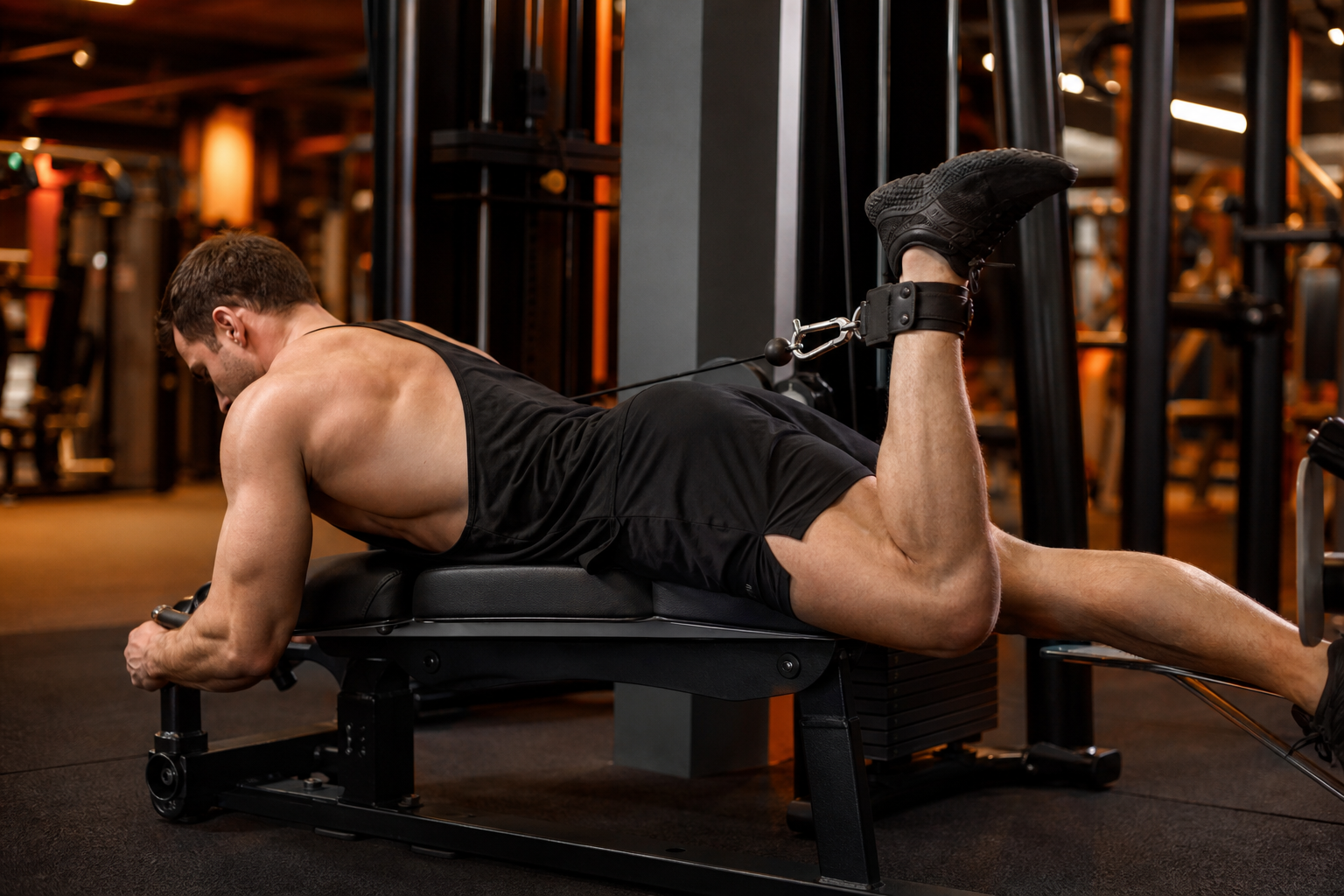
Legs + Cable Machine
Learn More